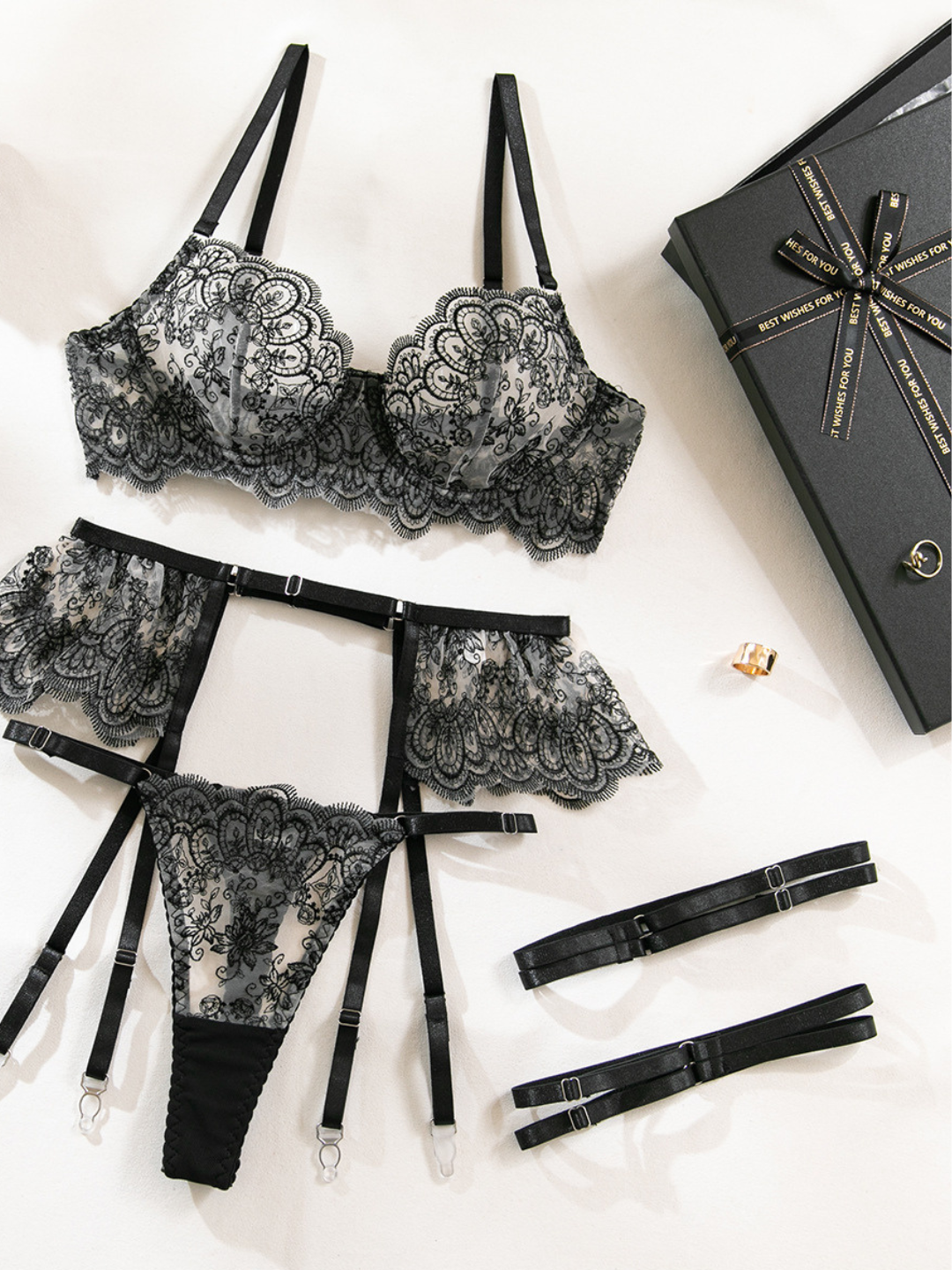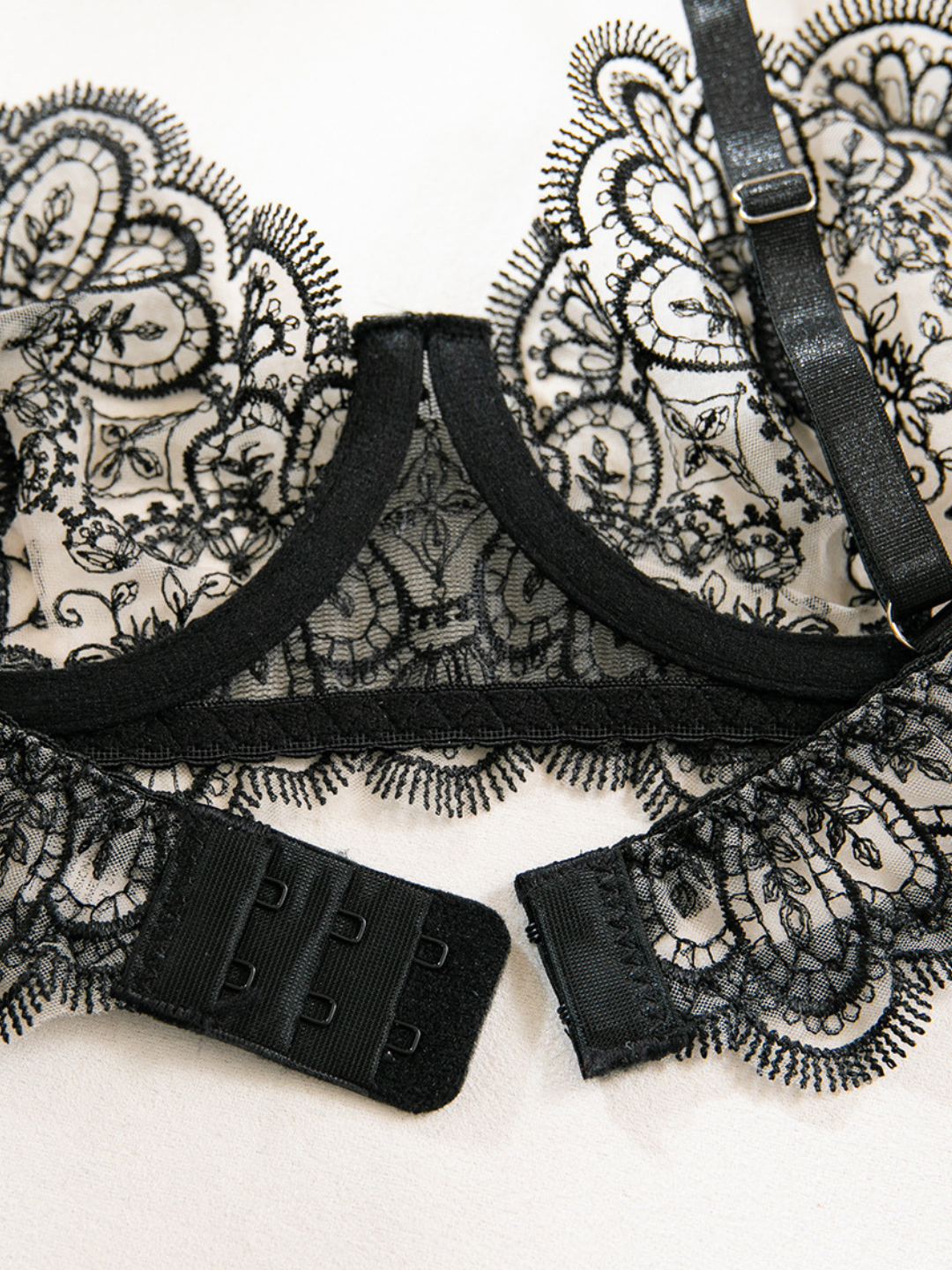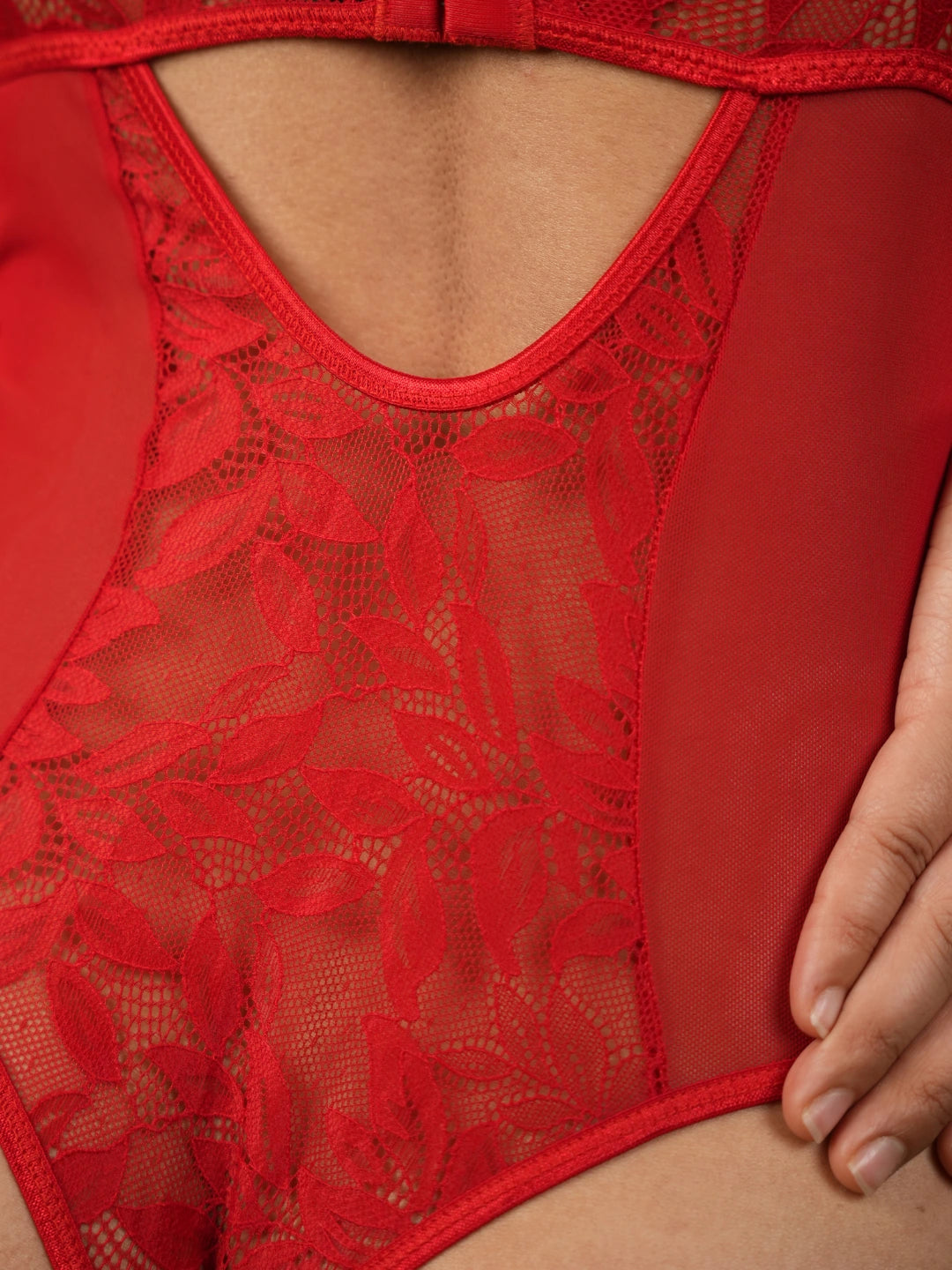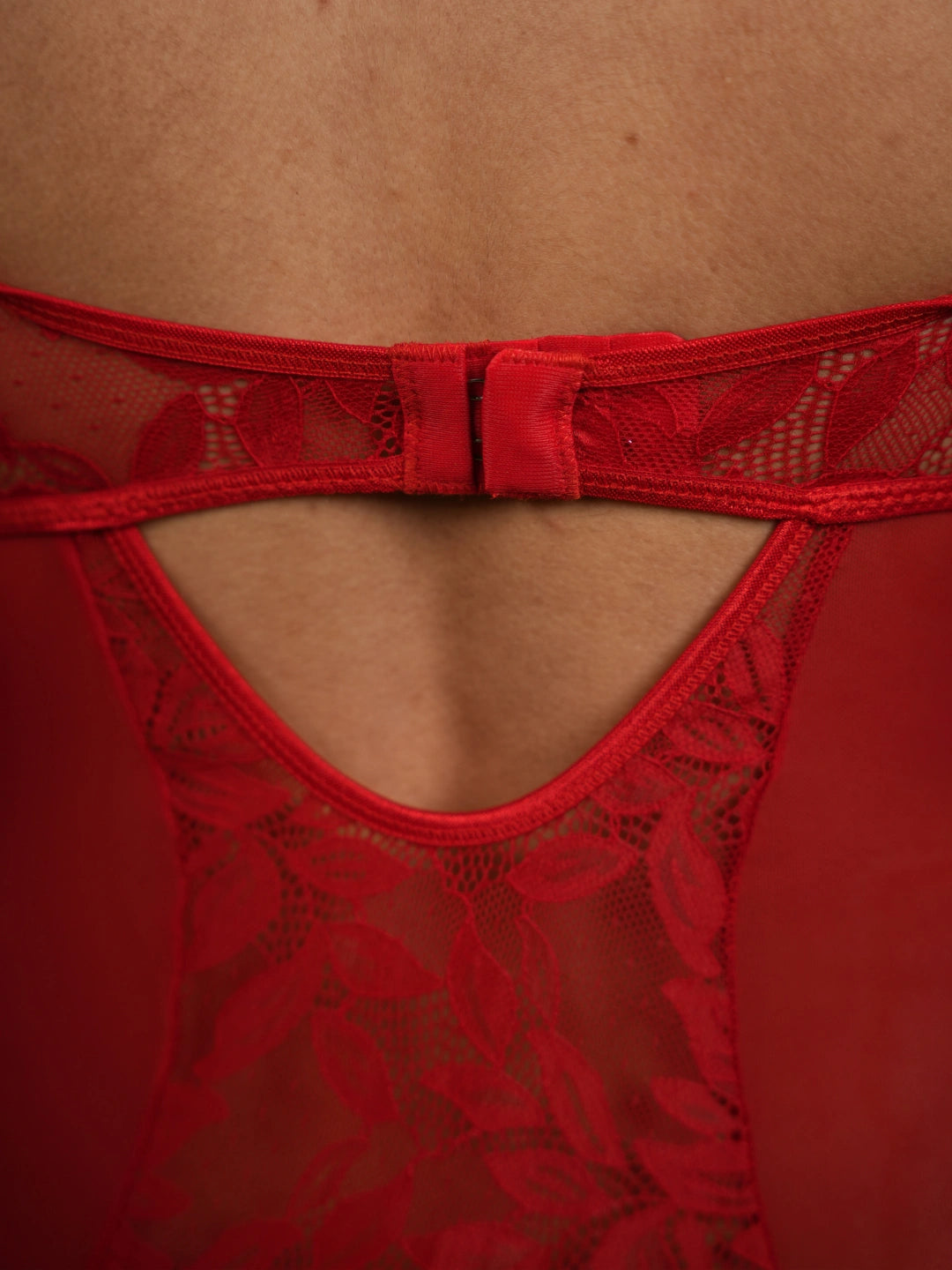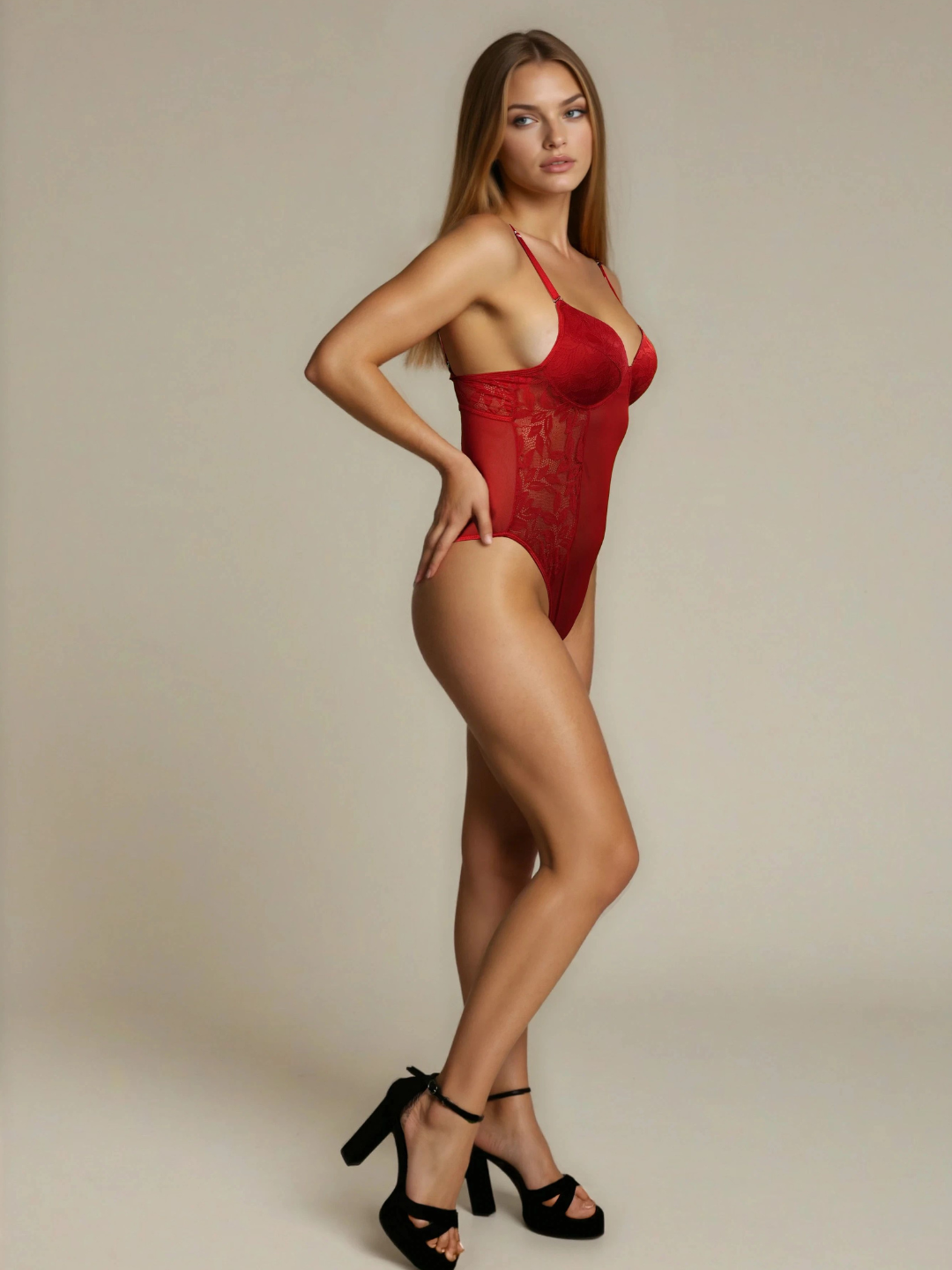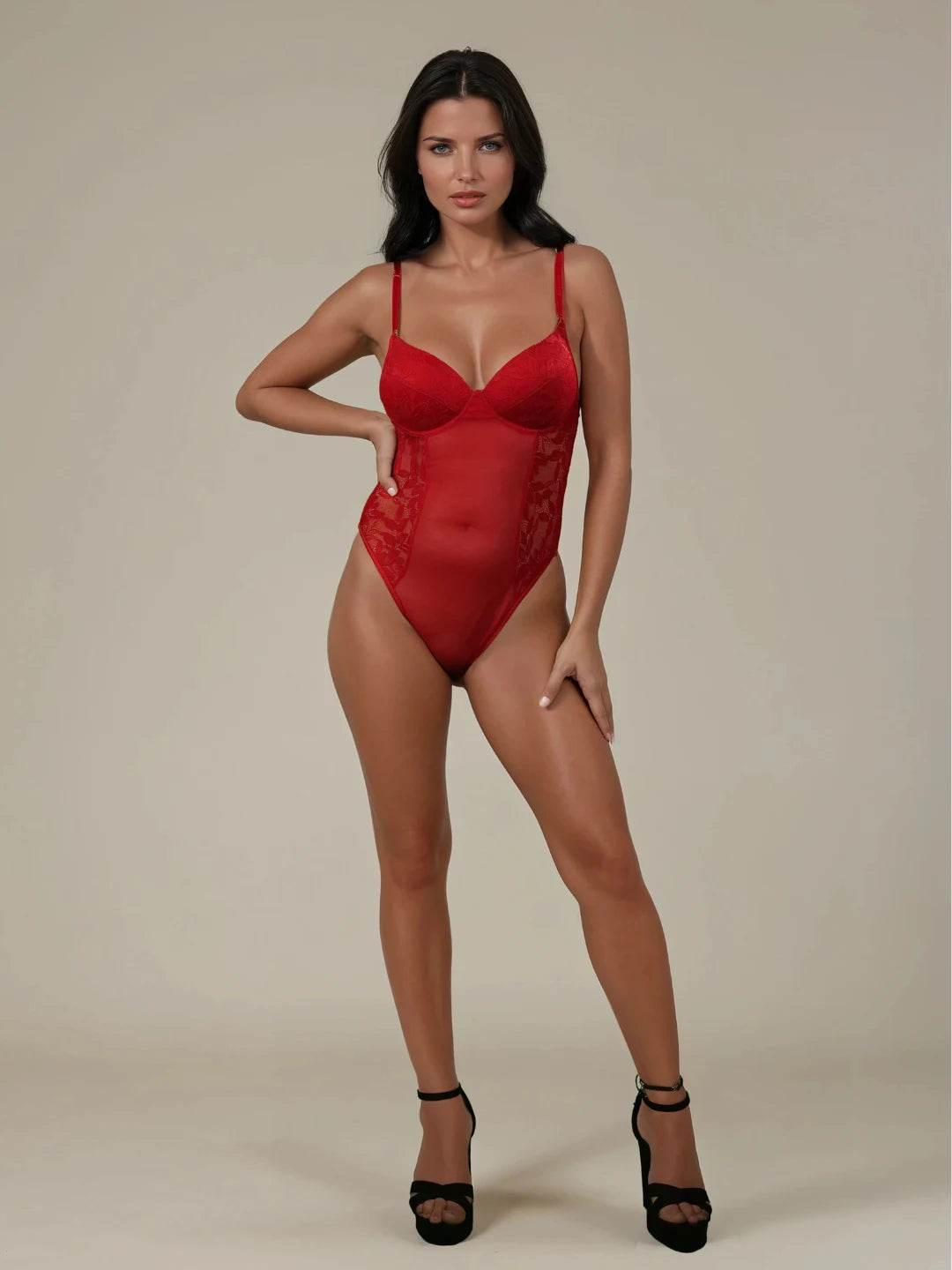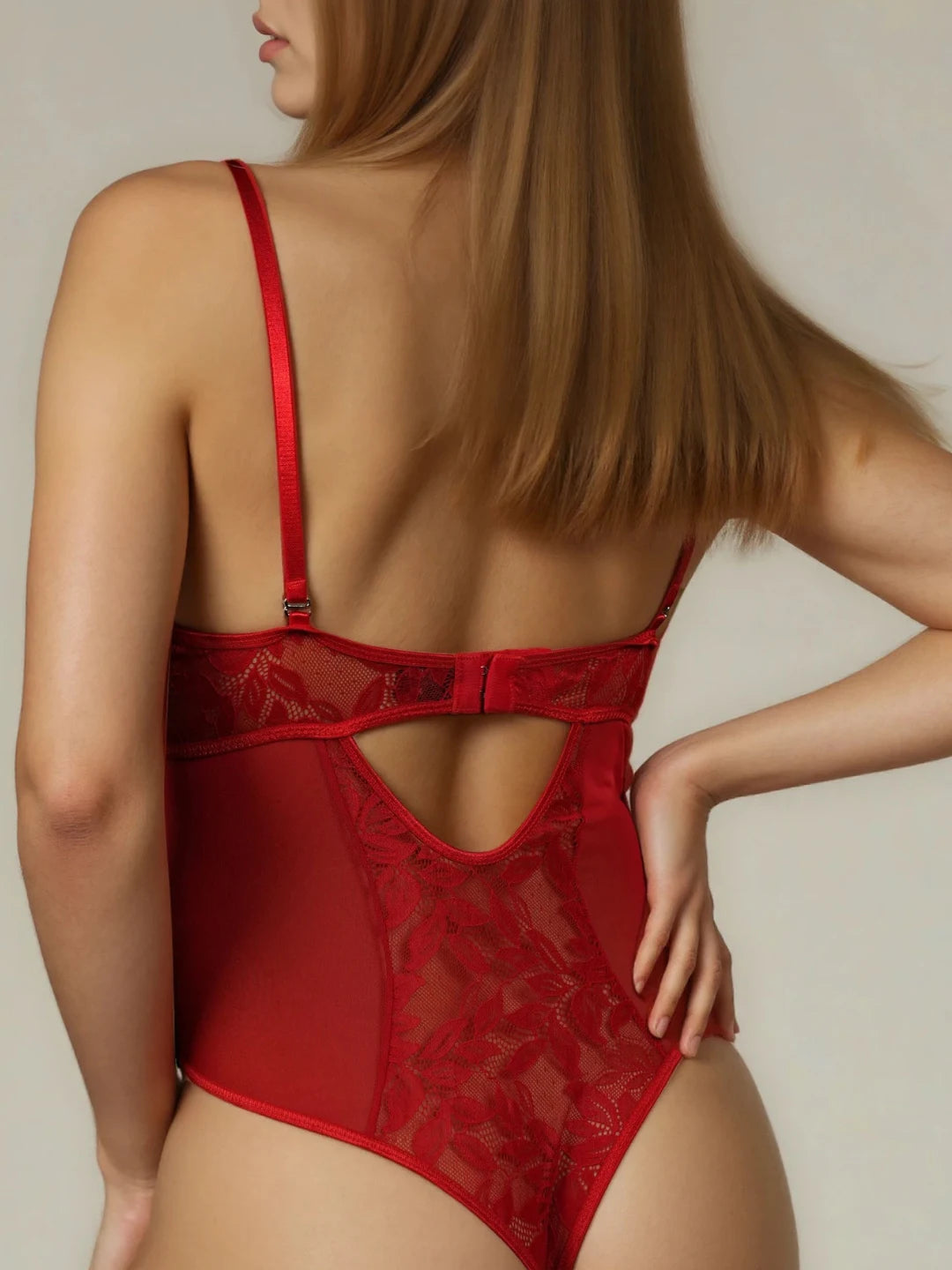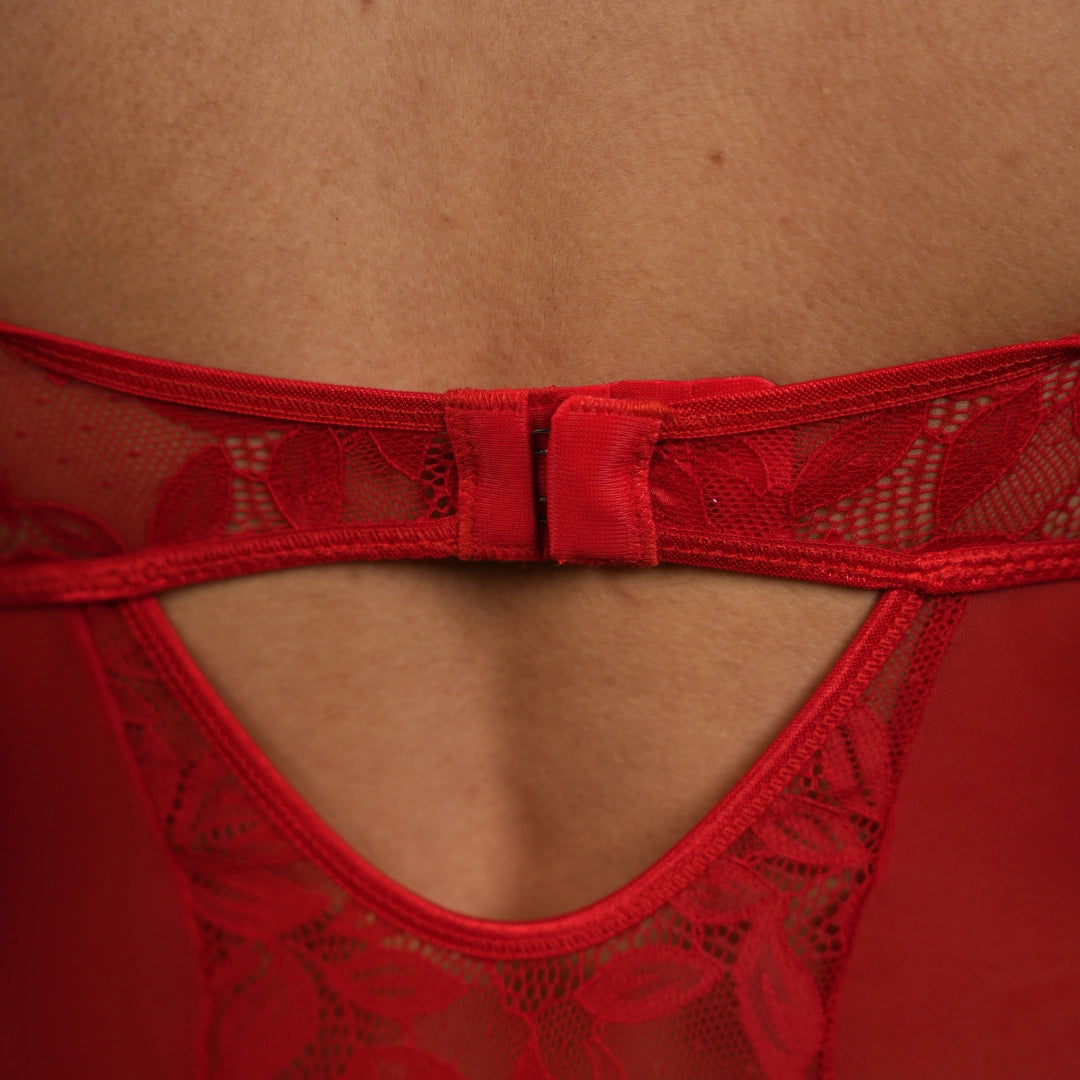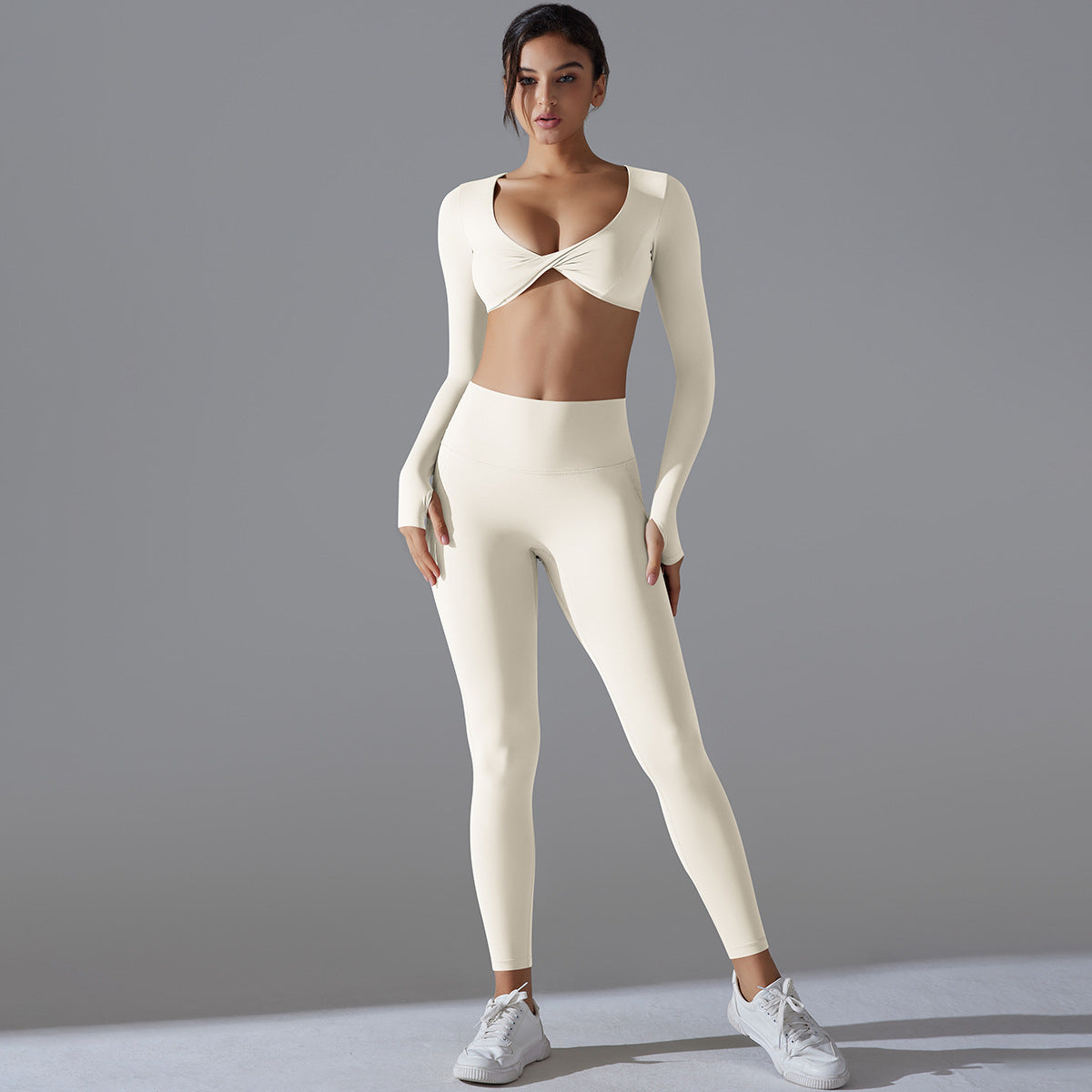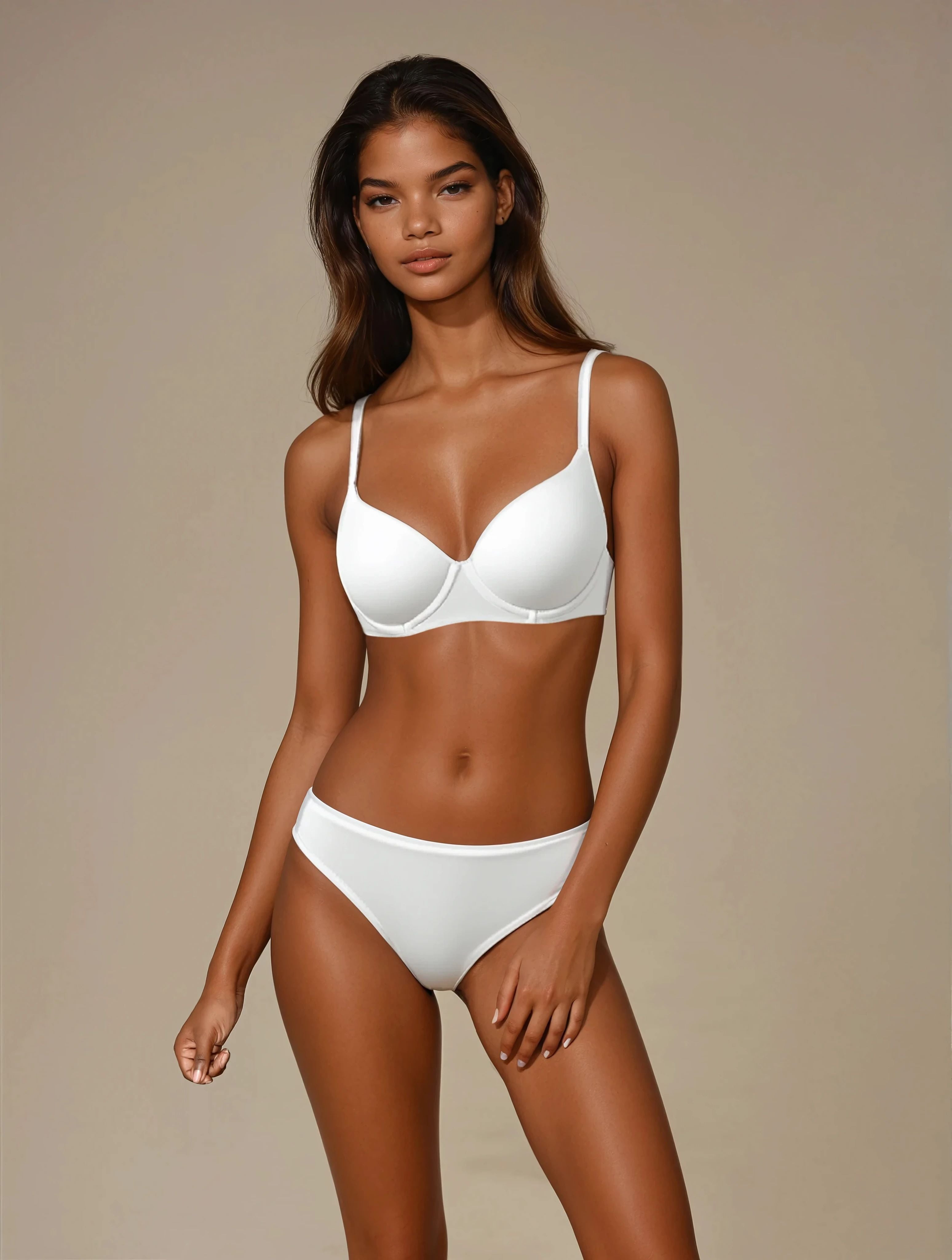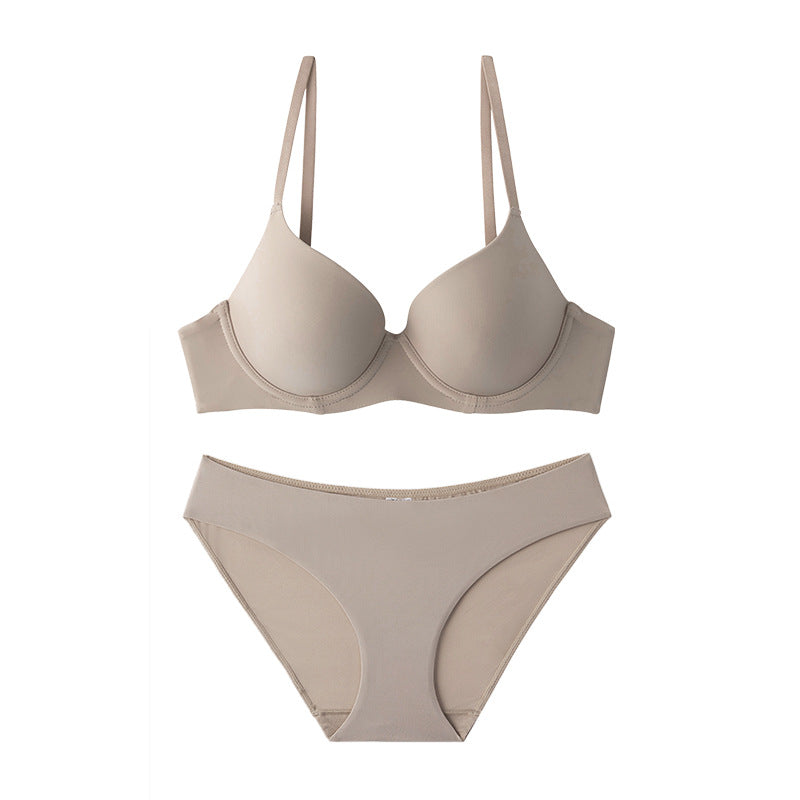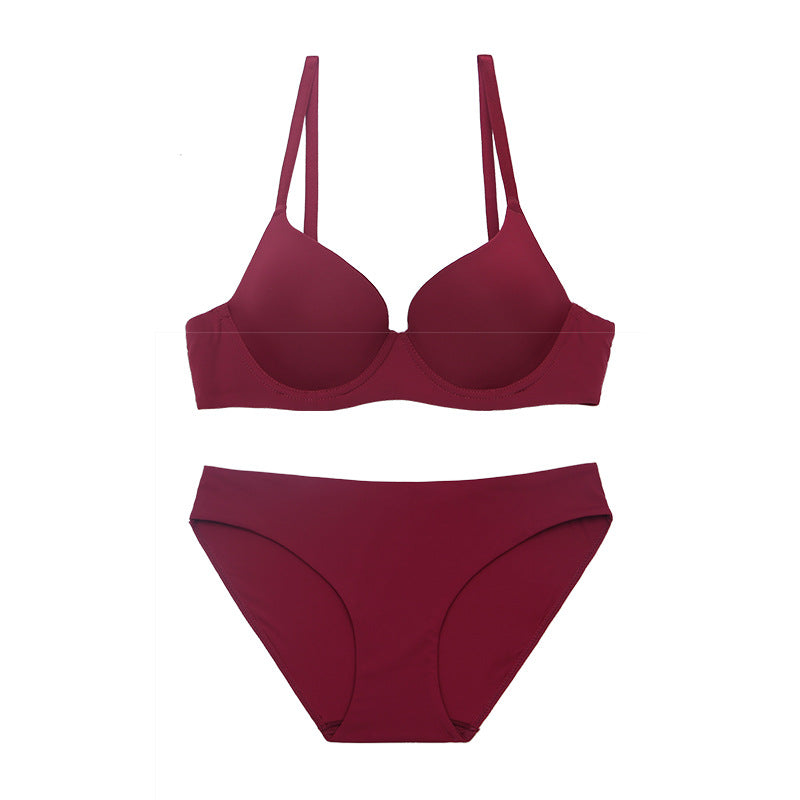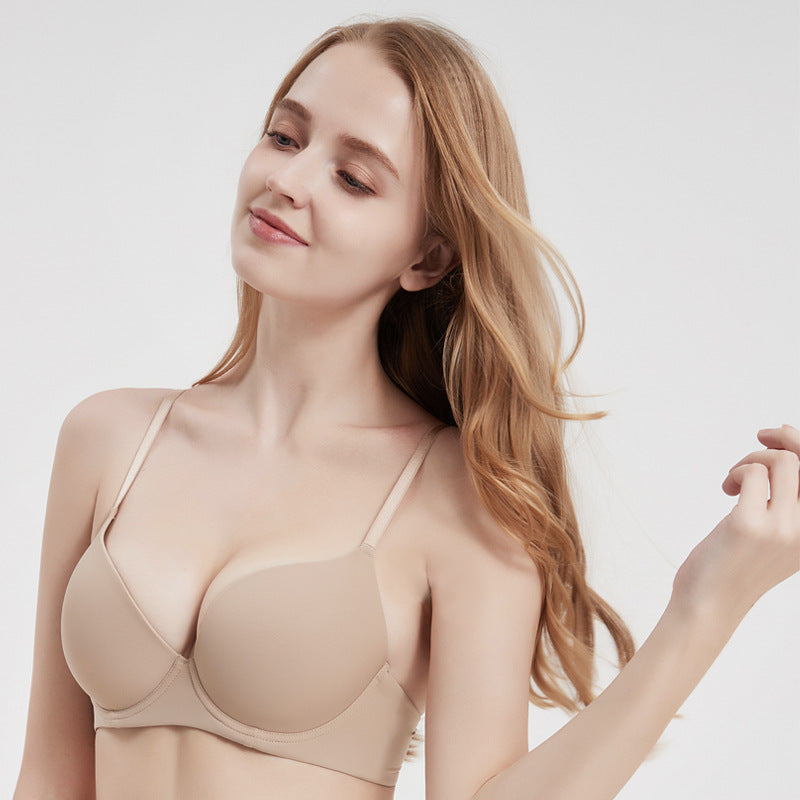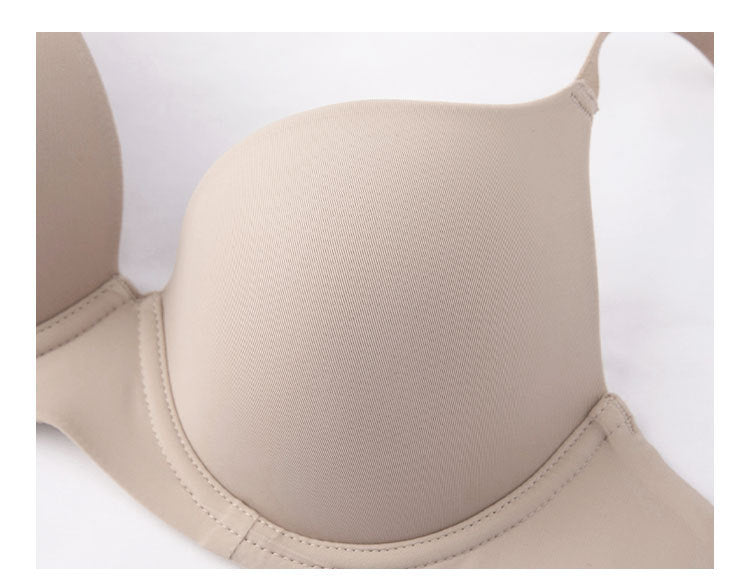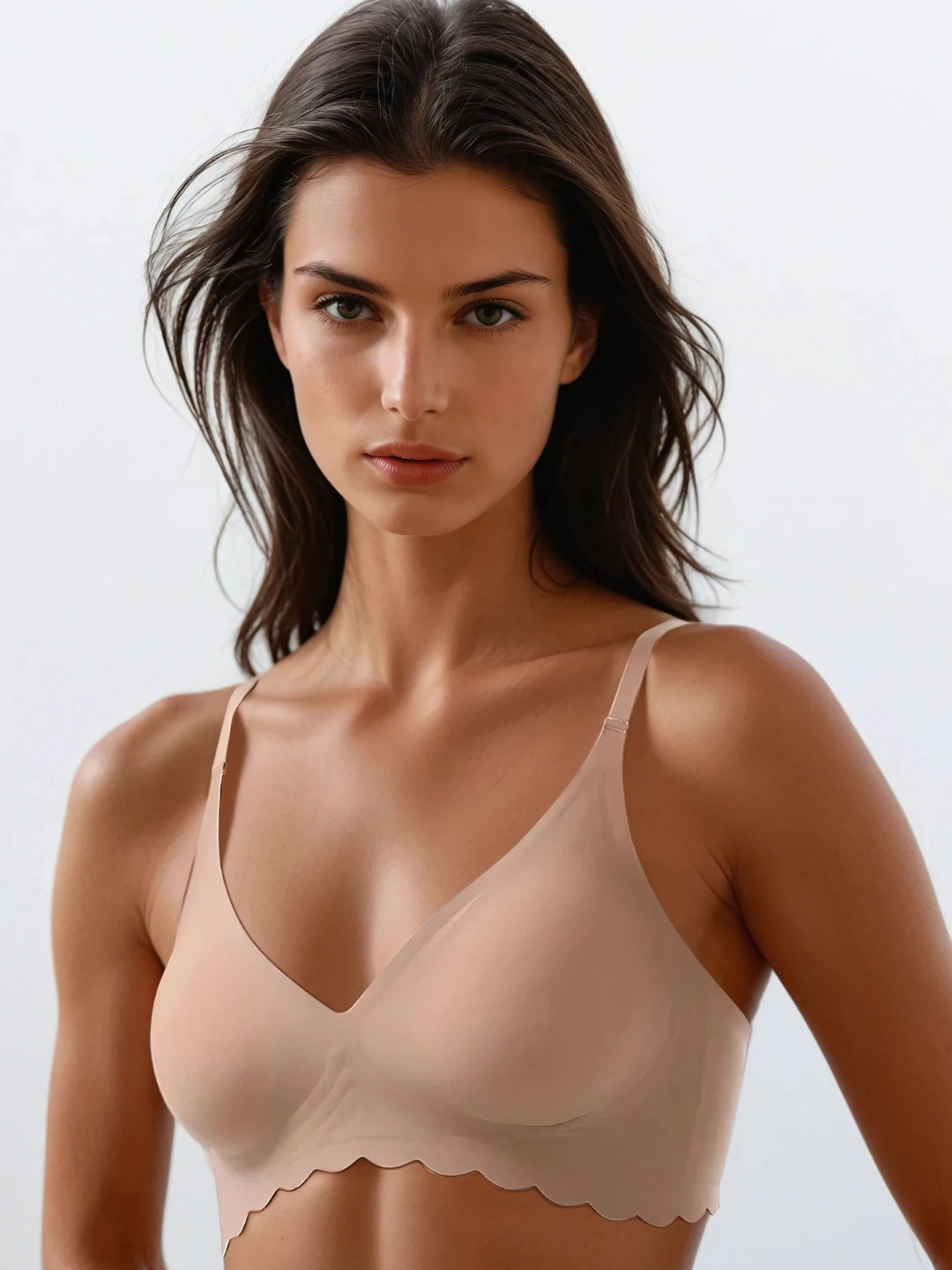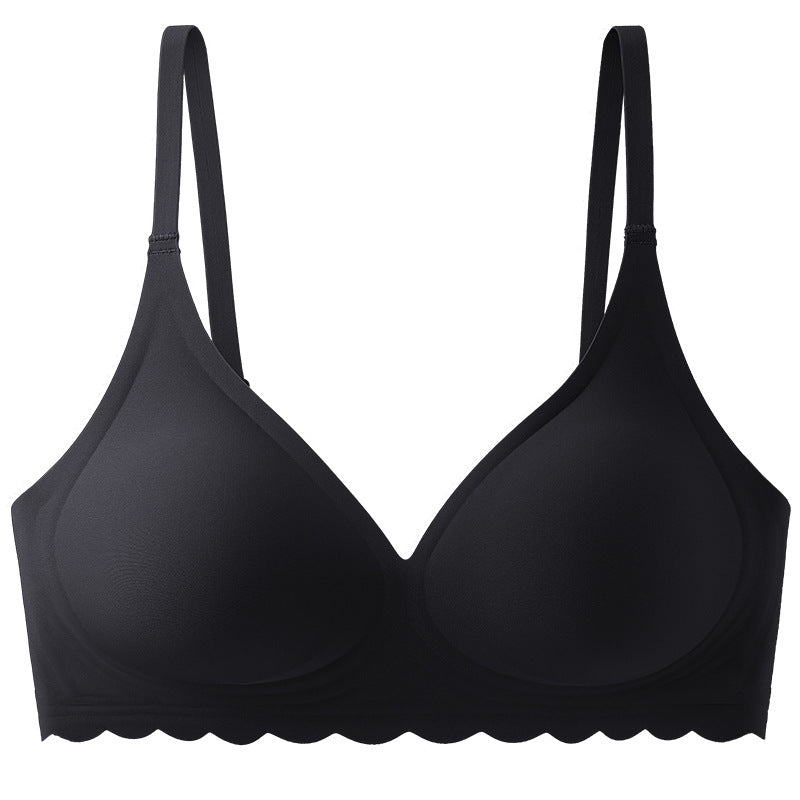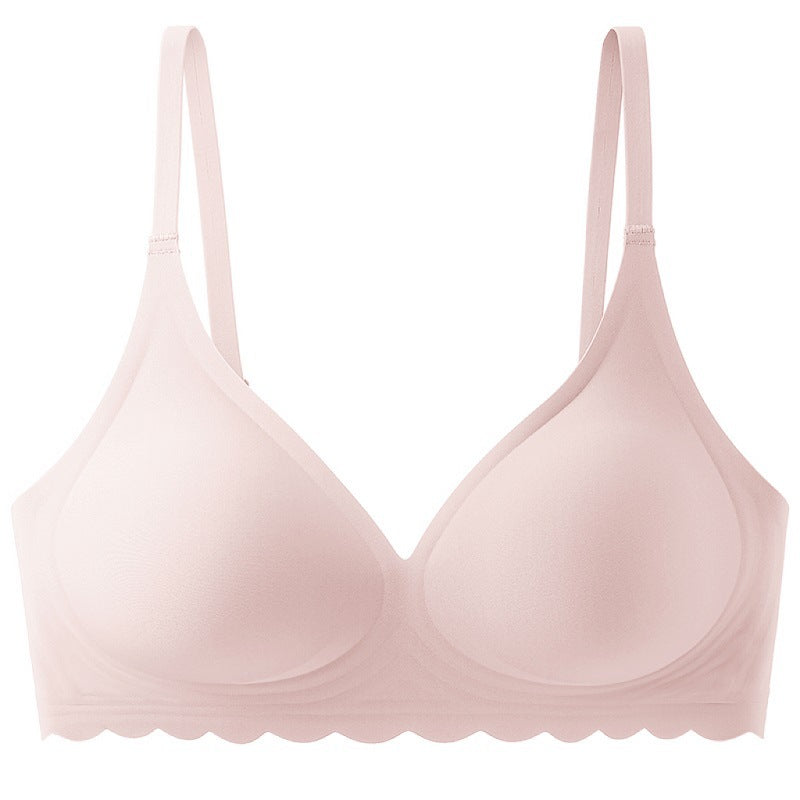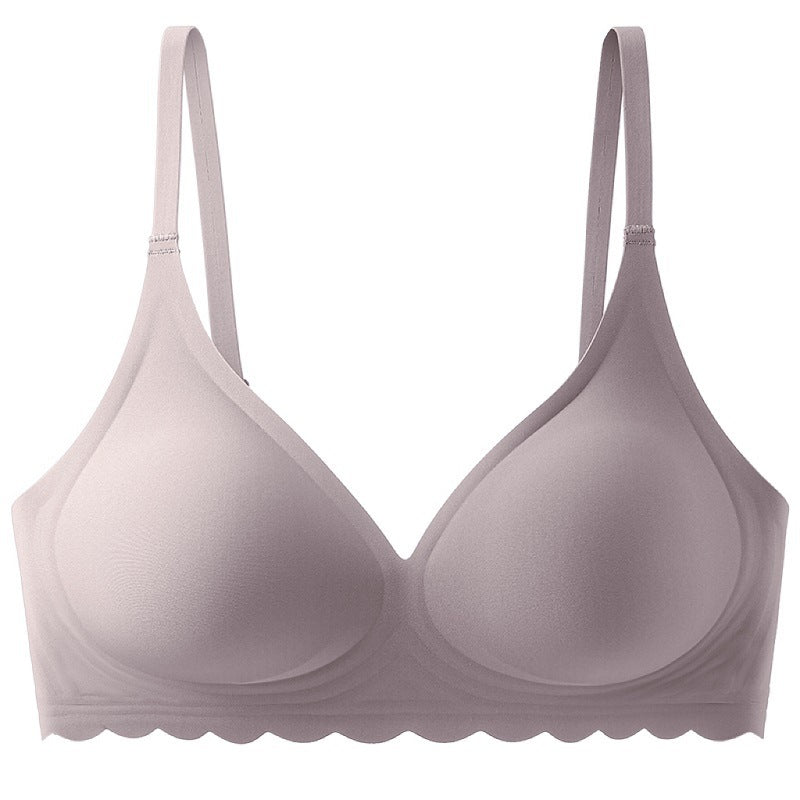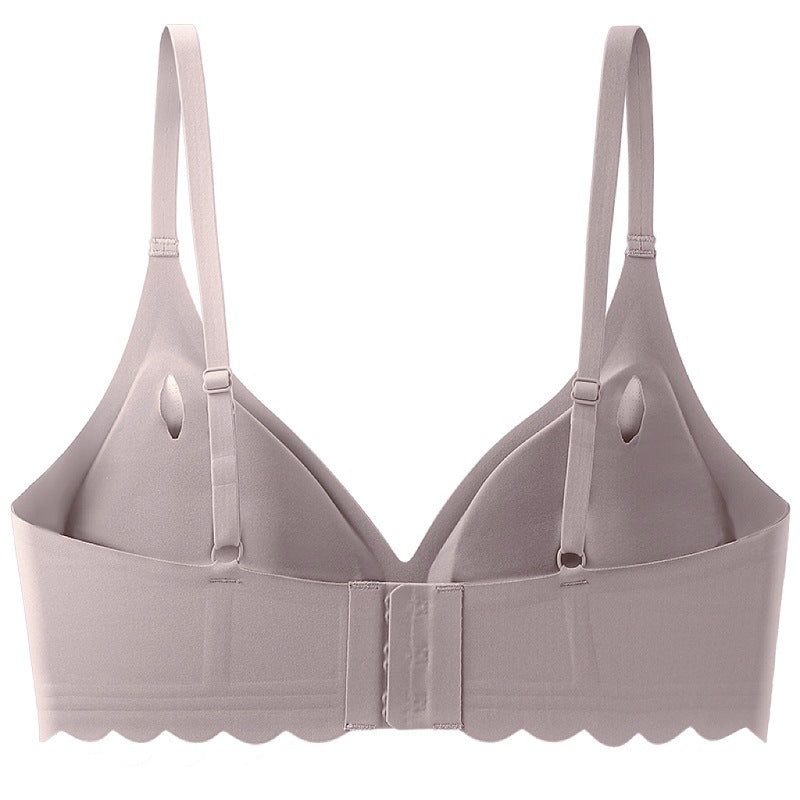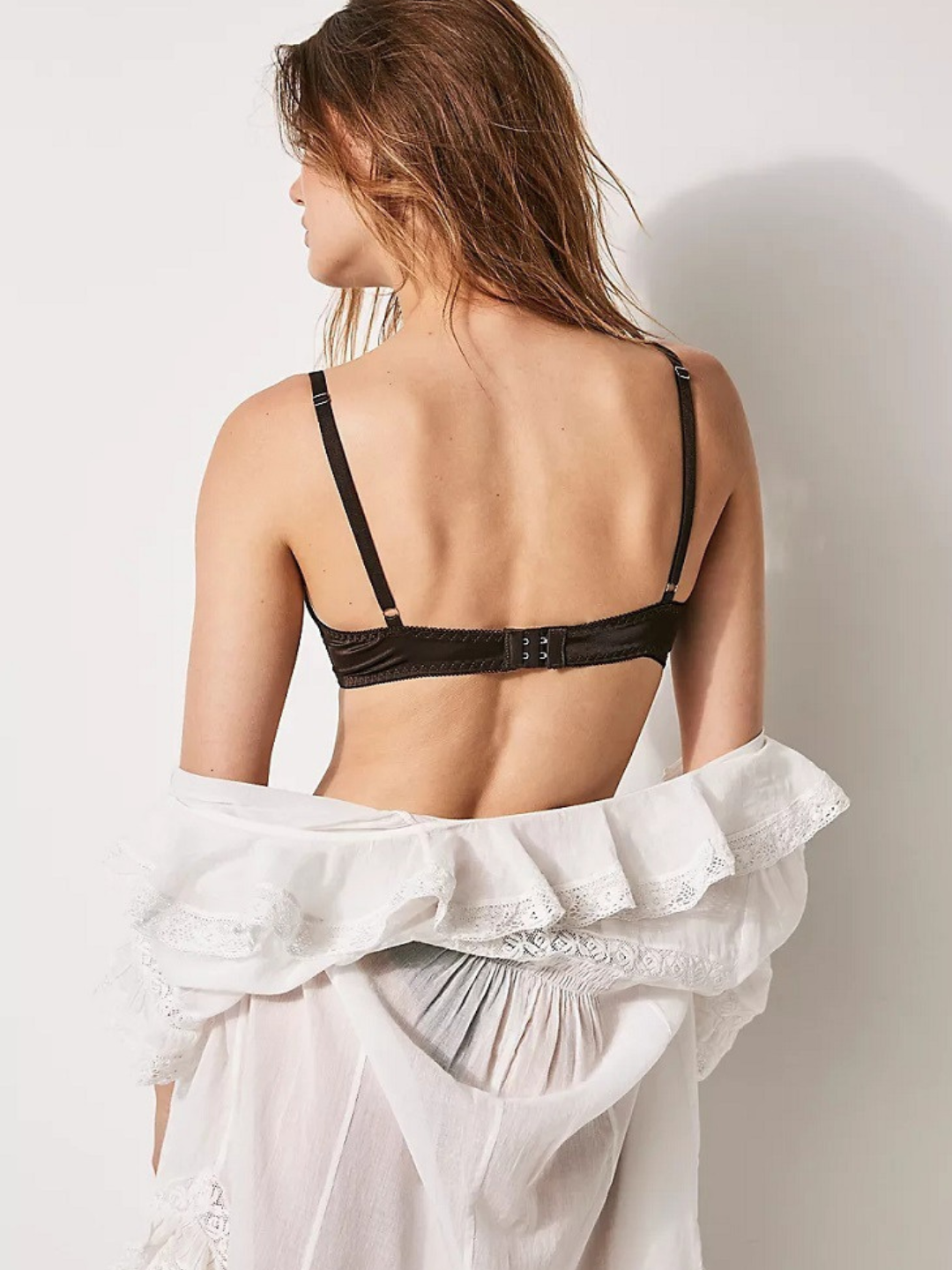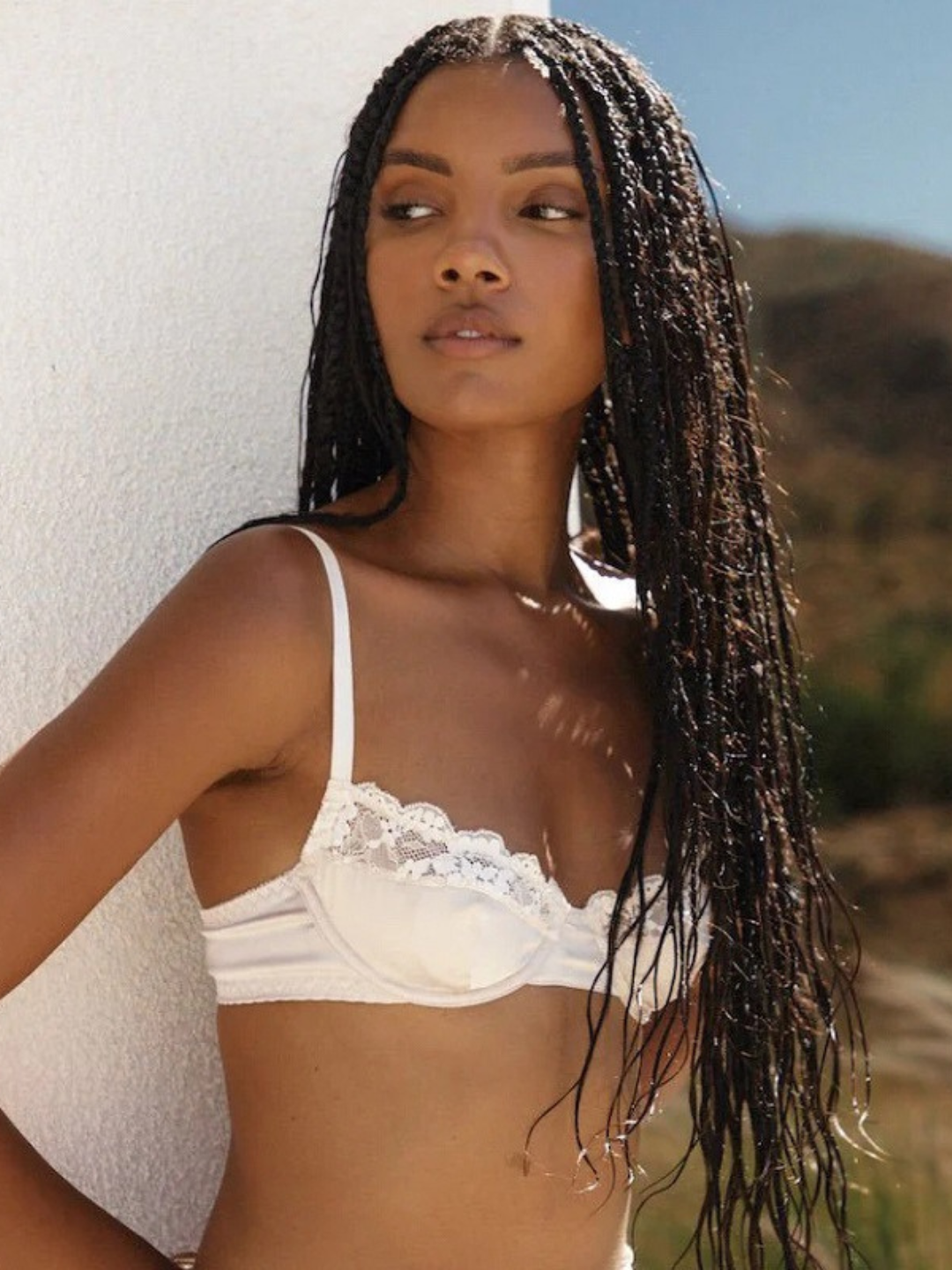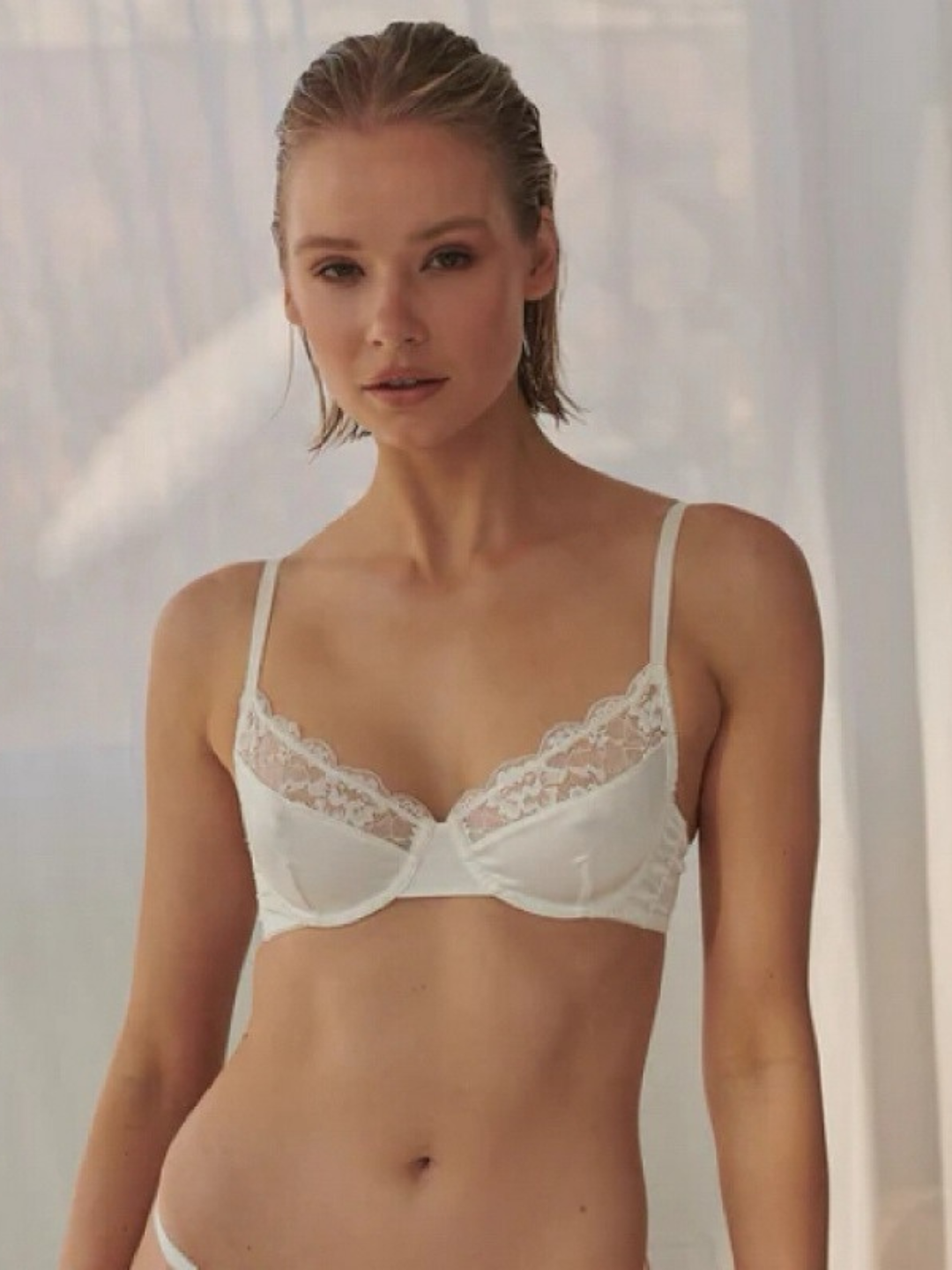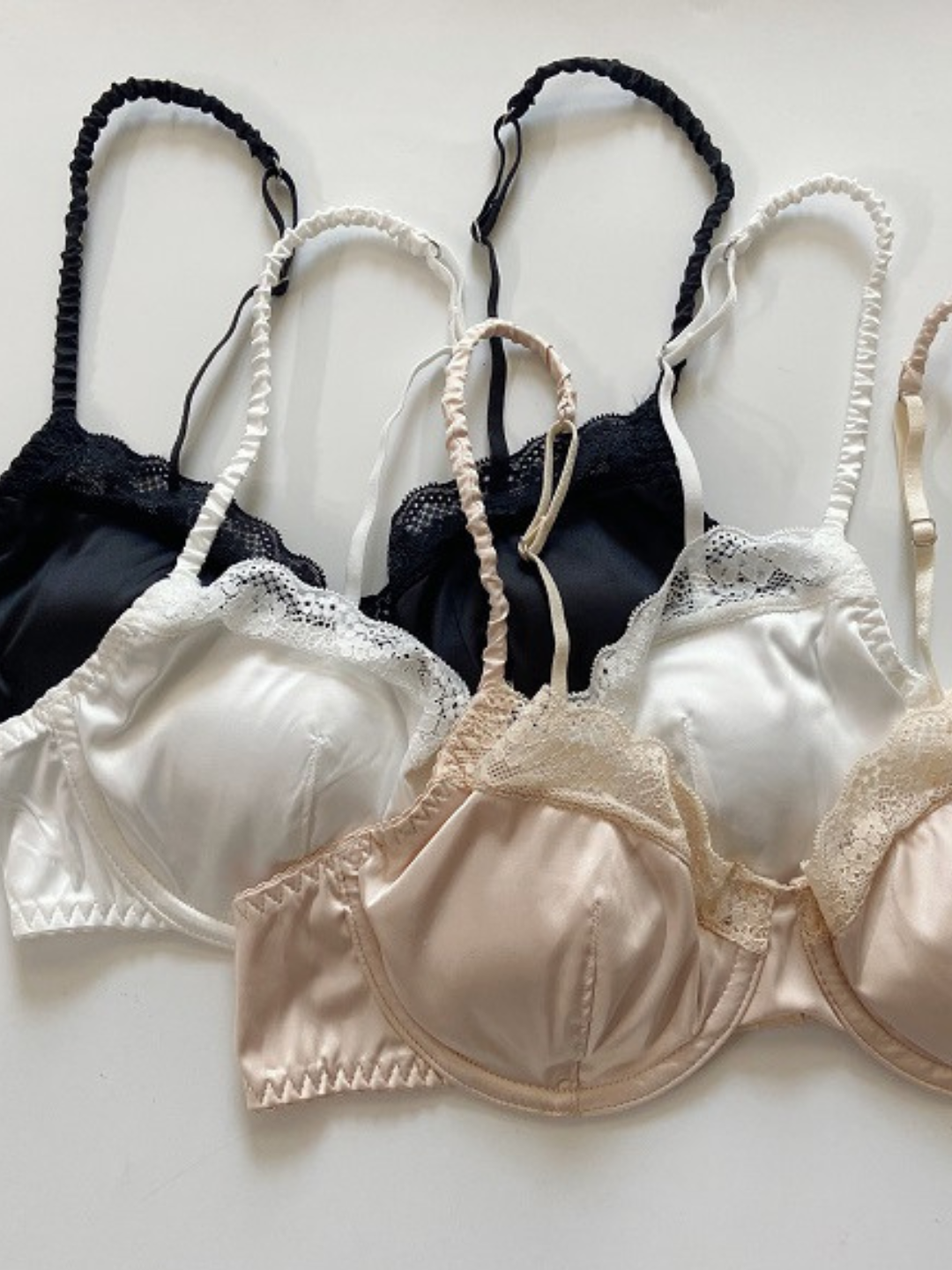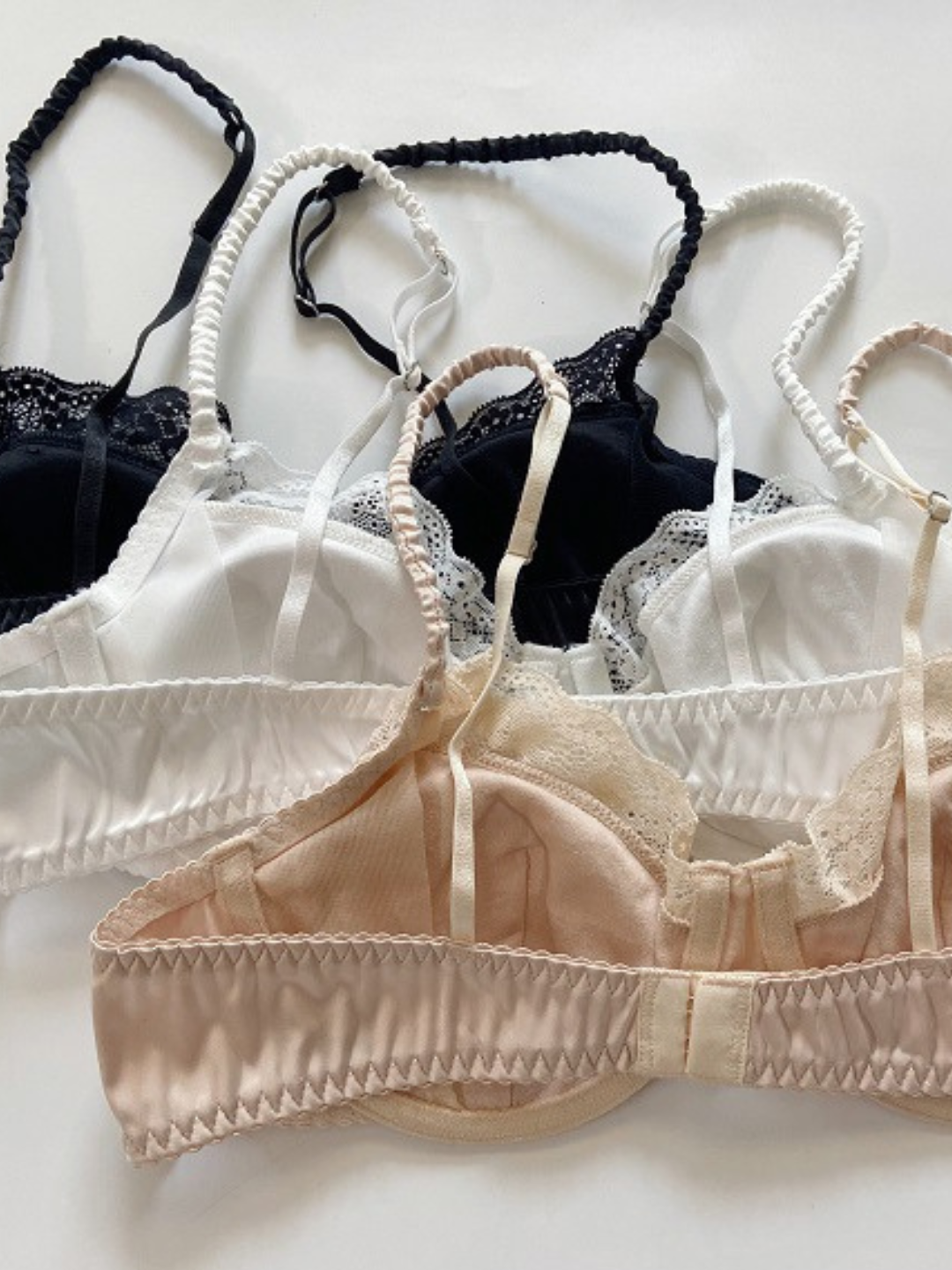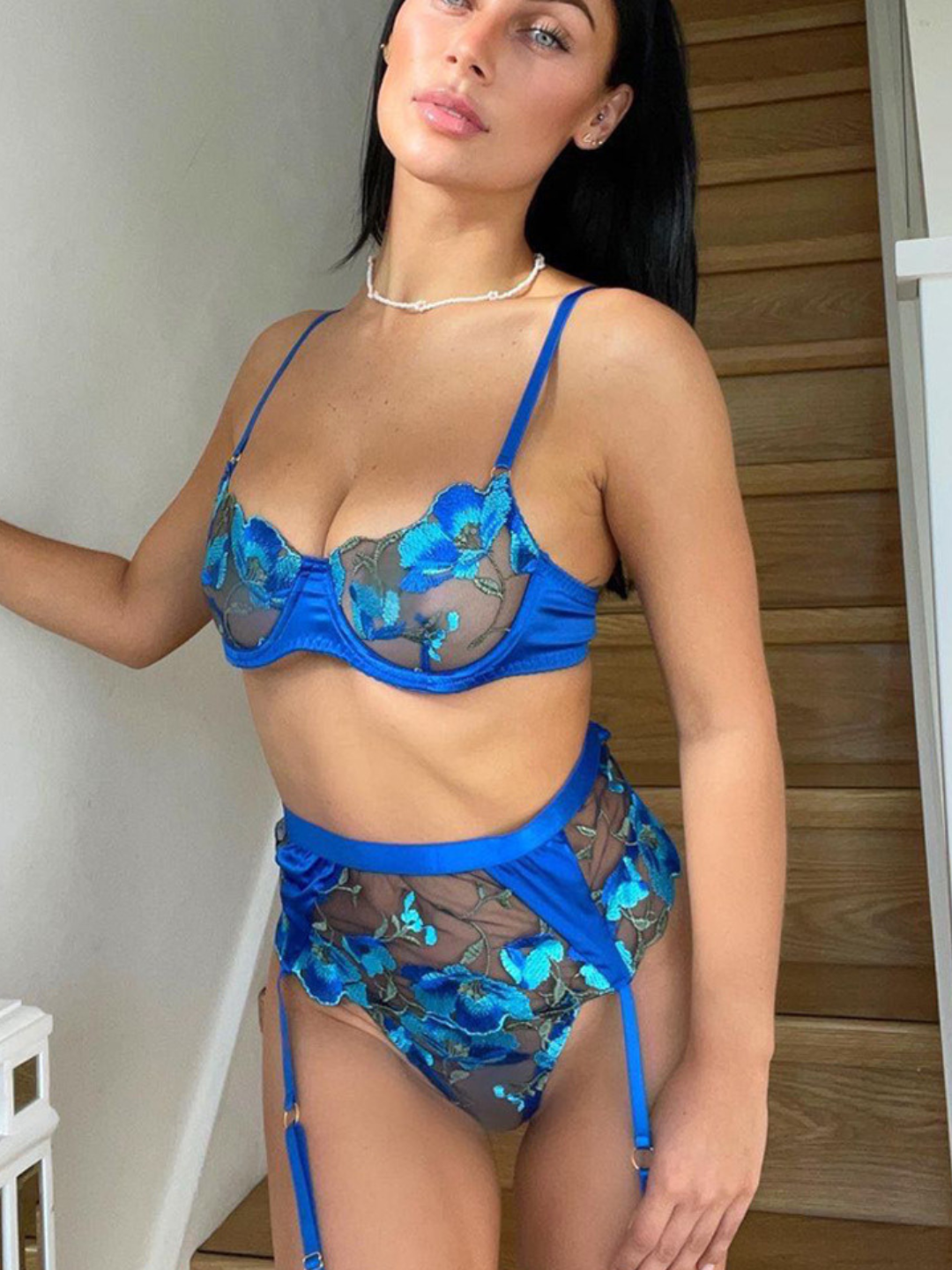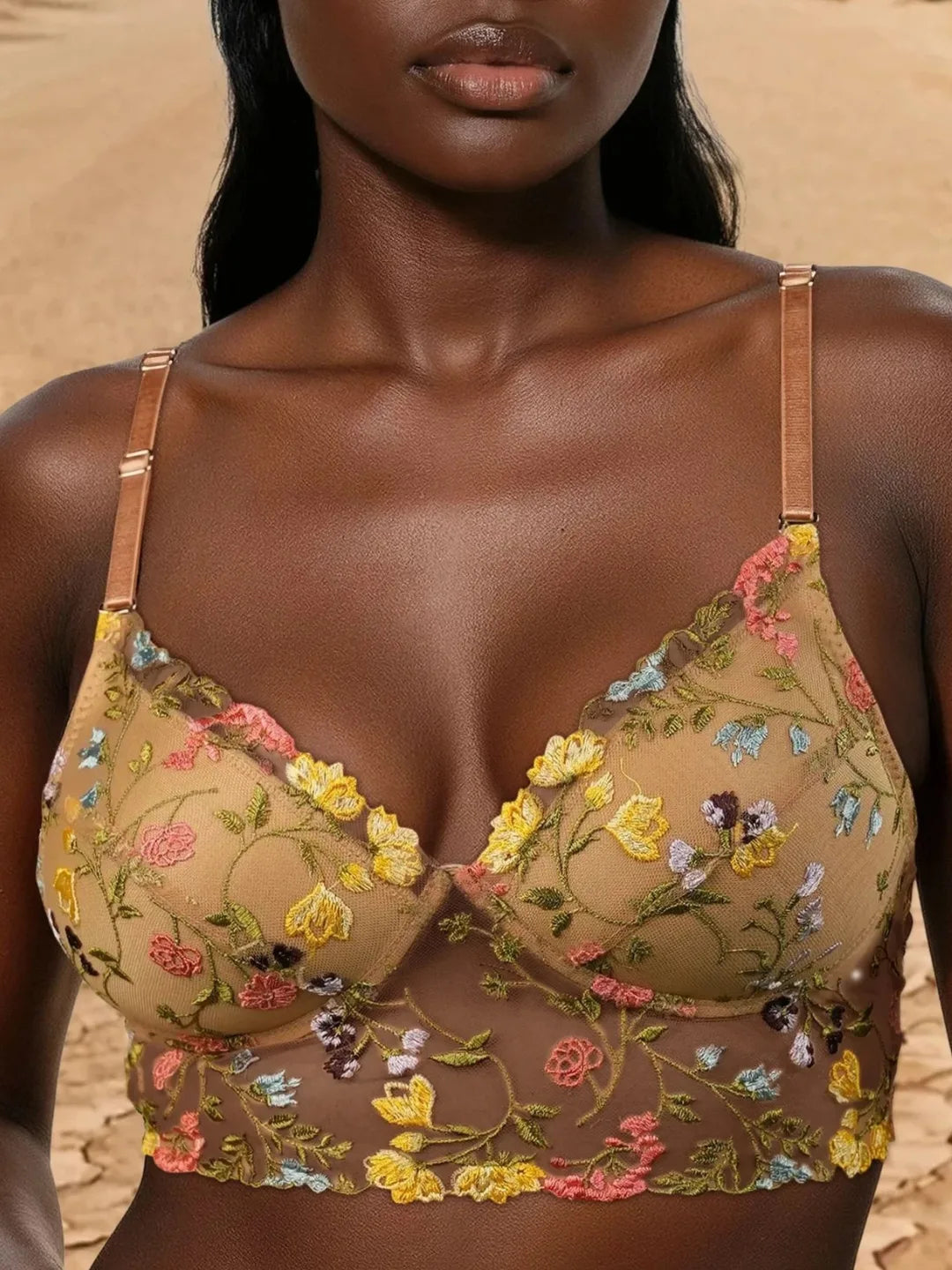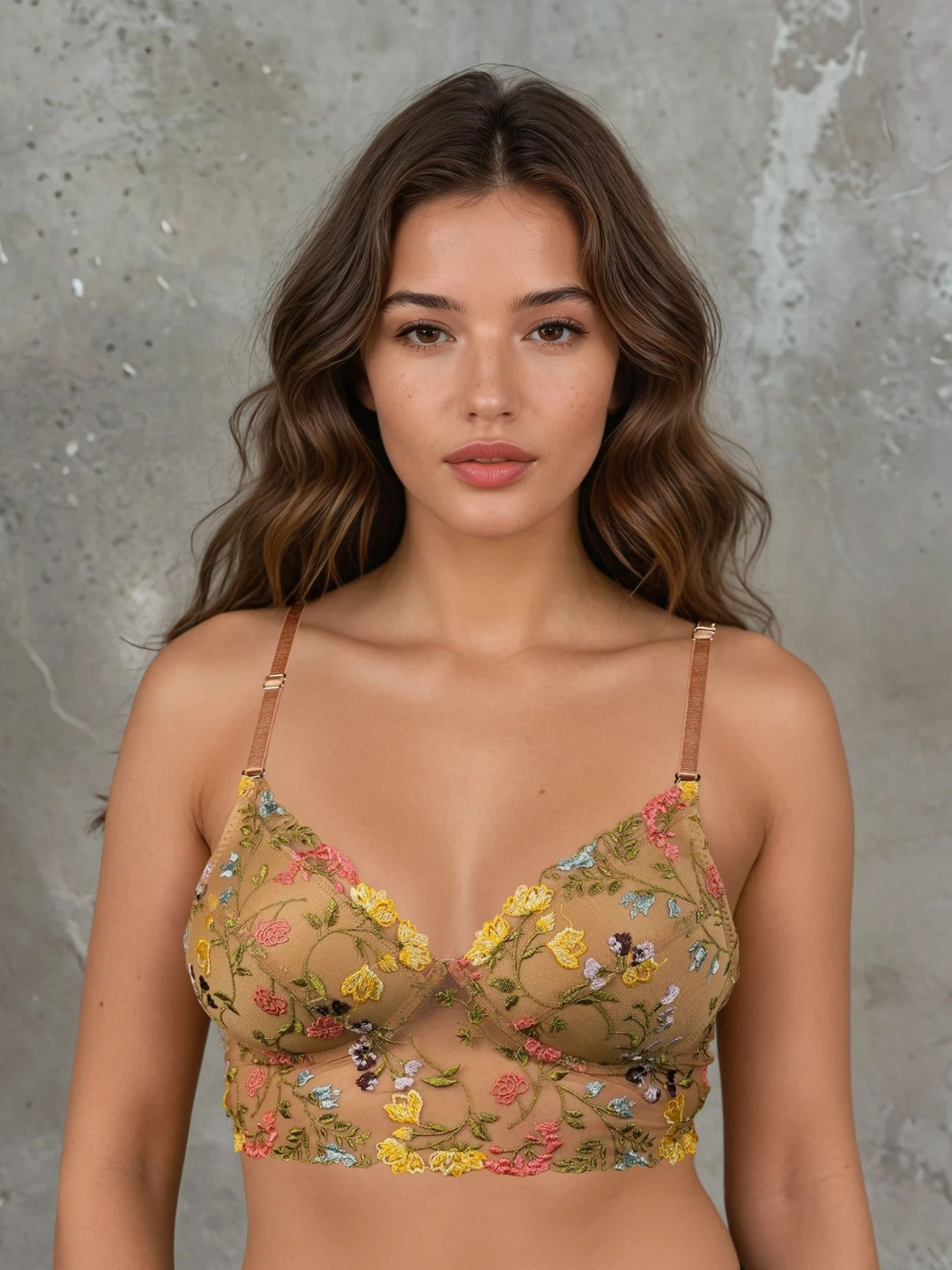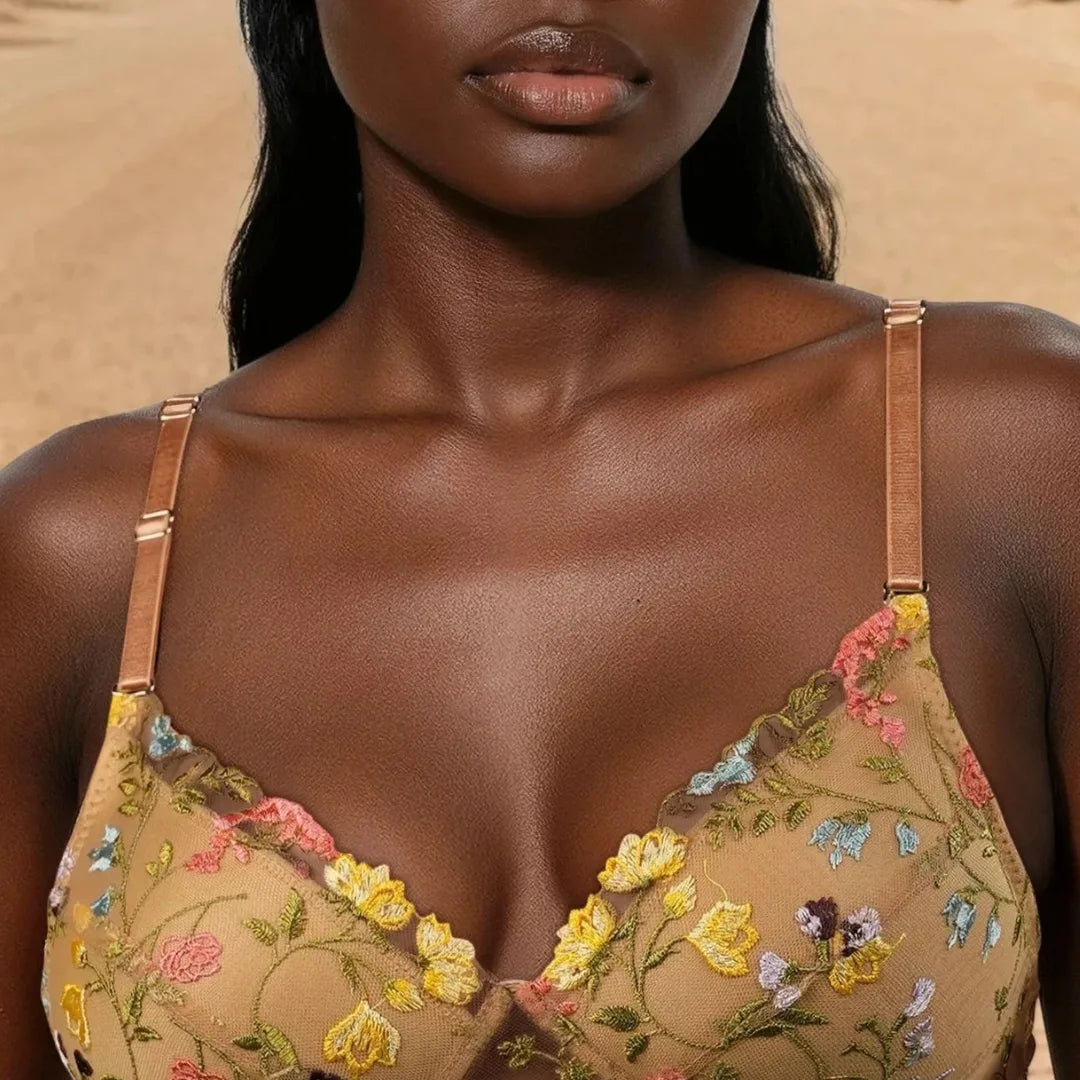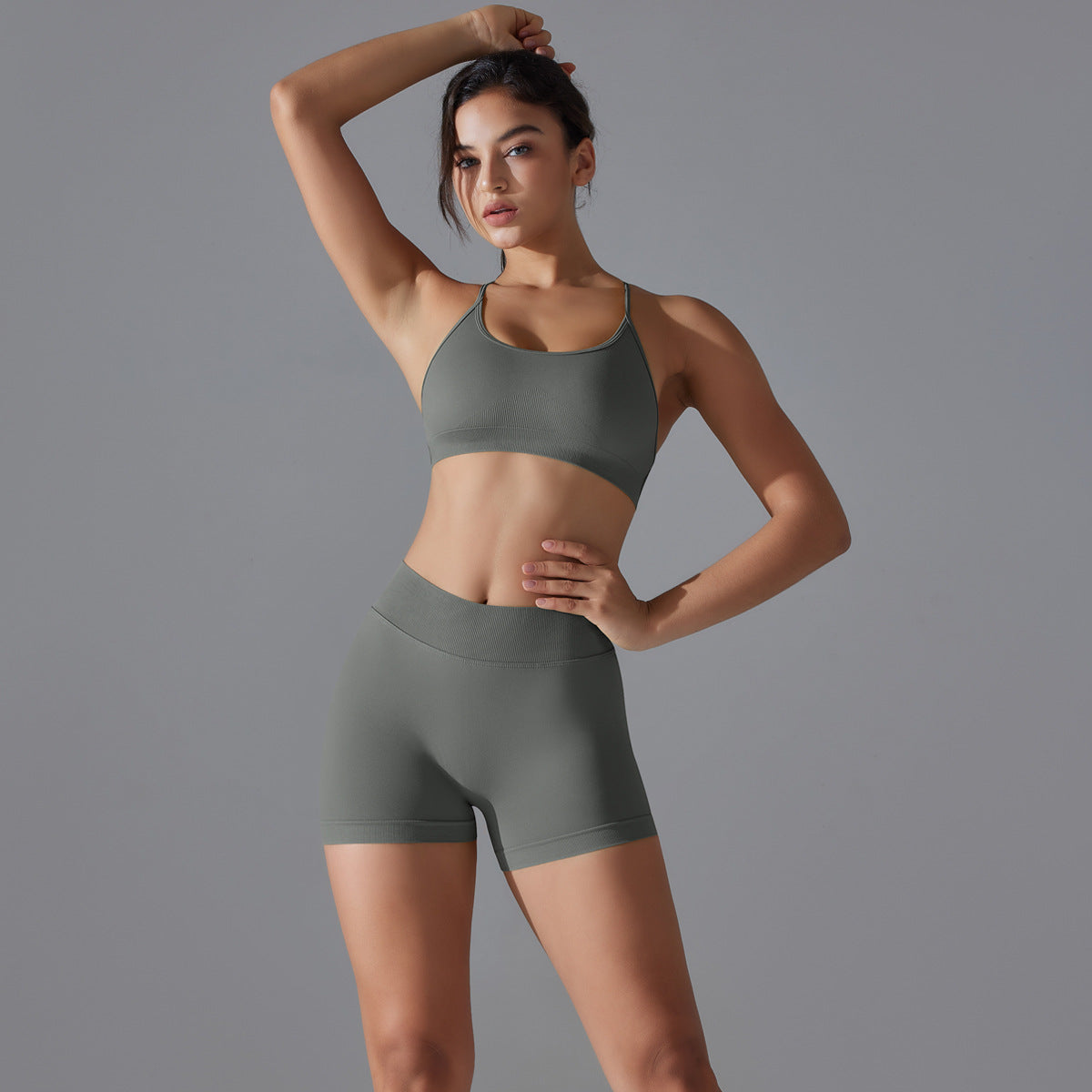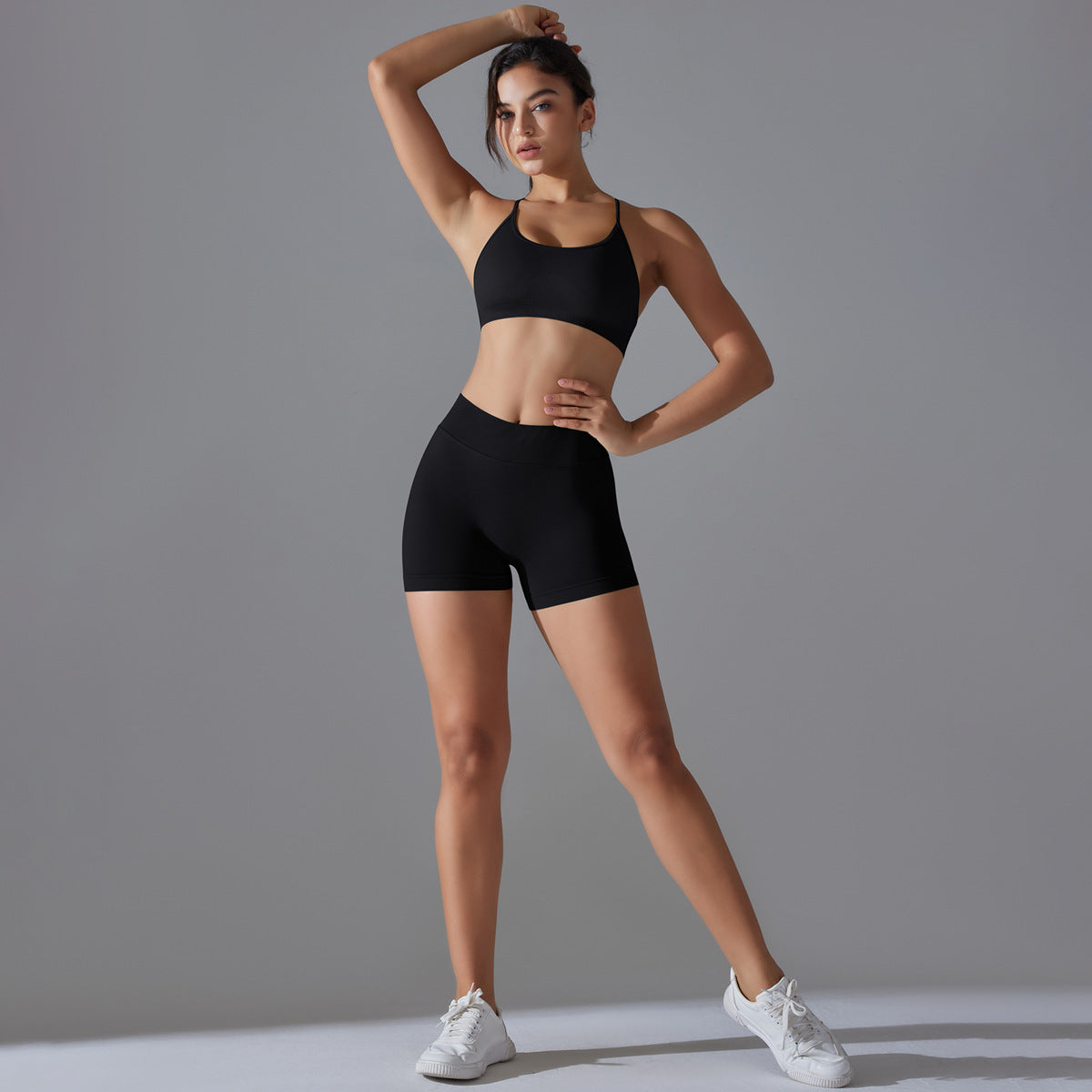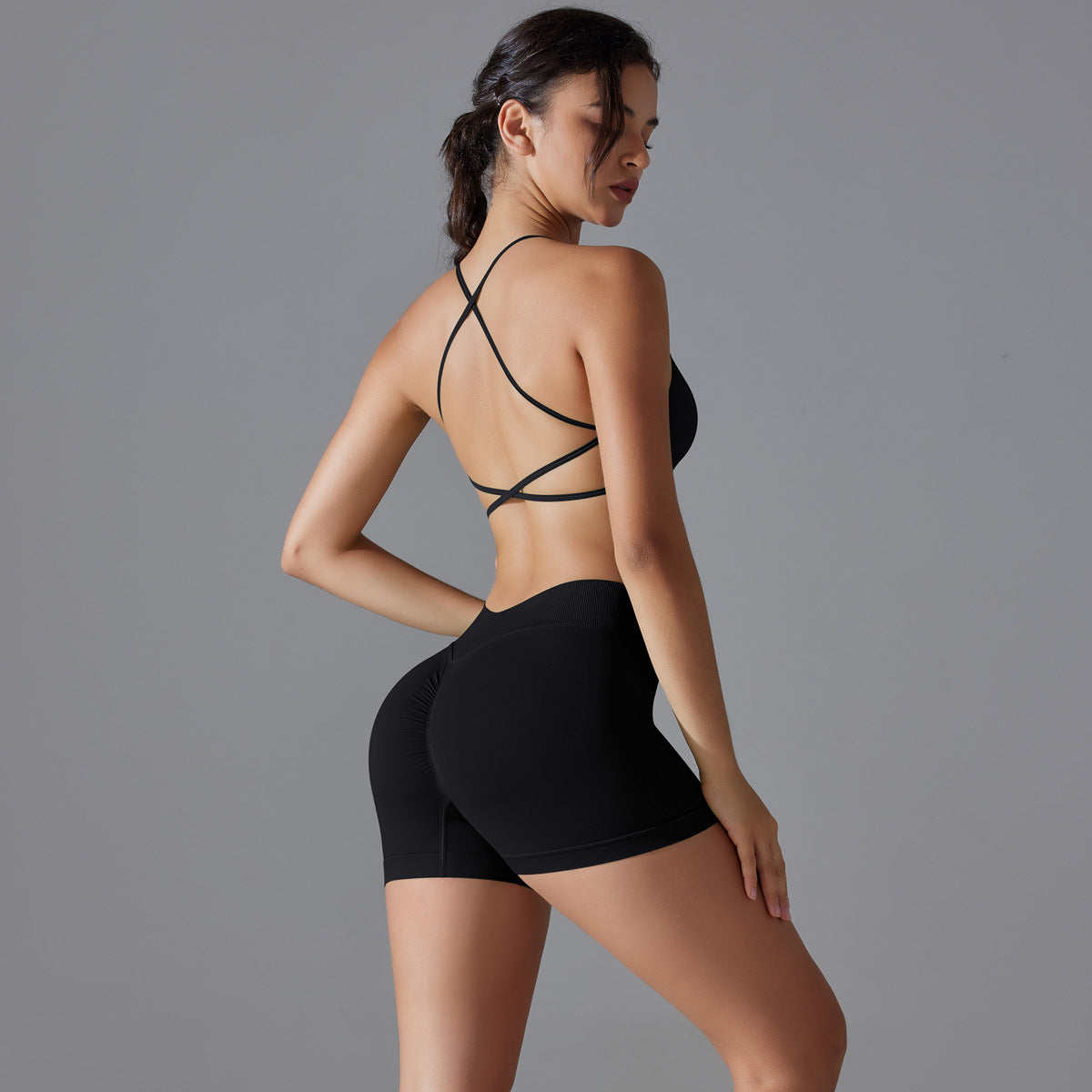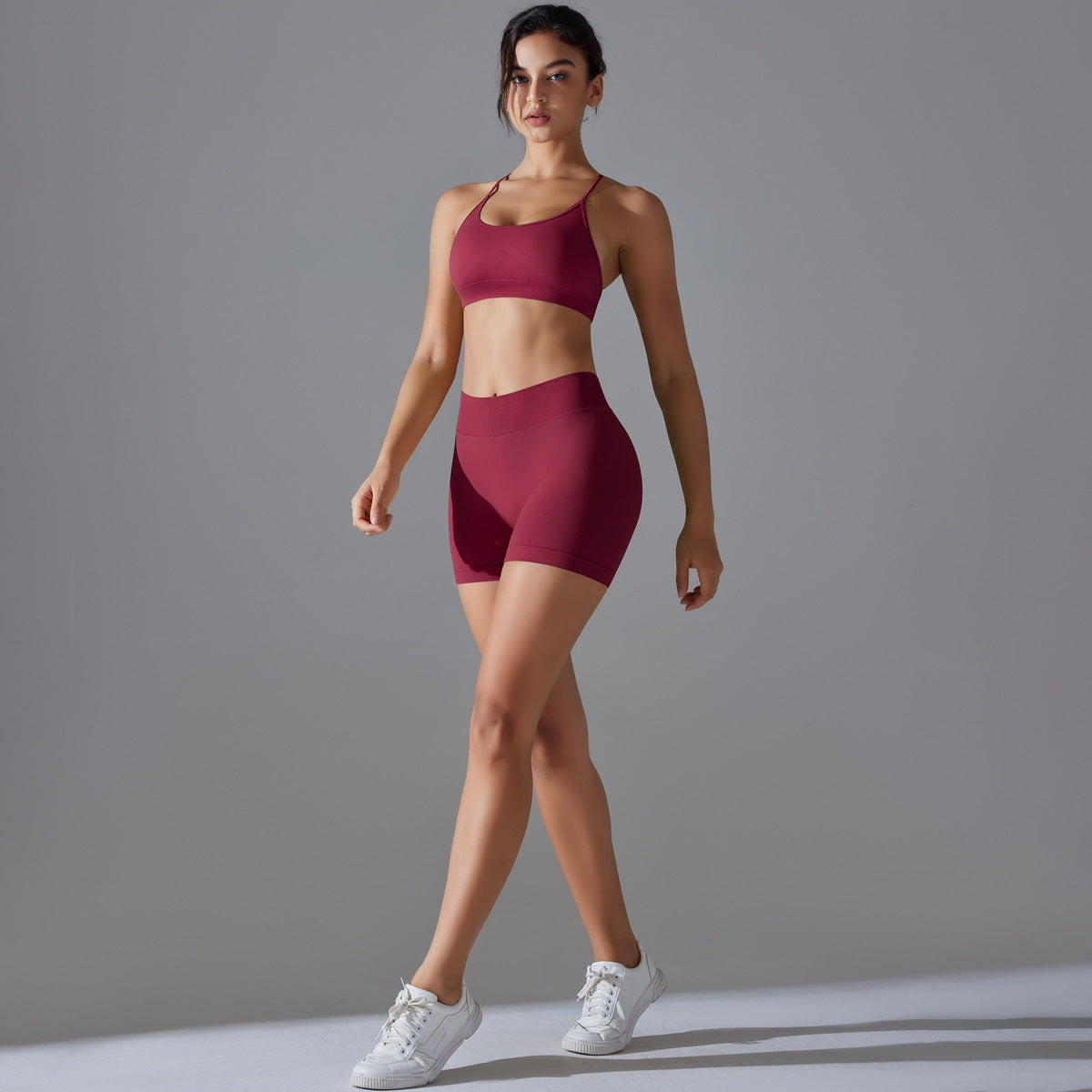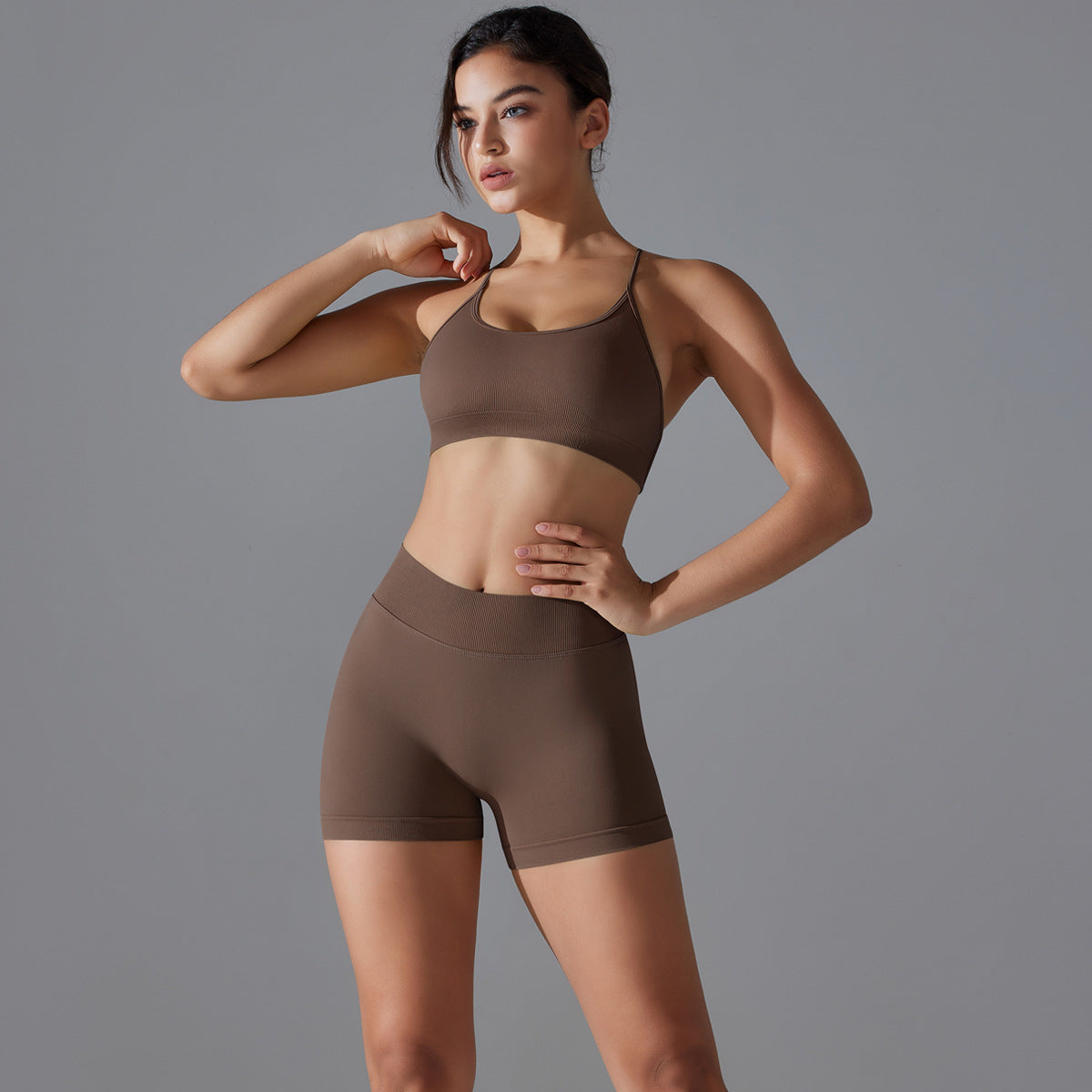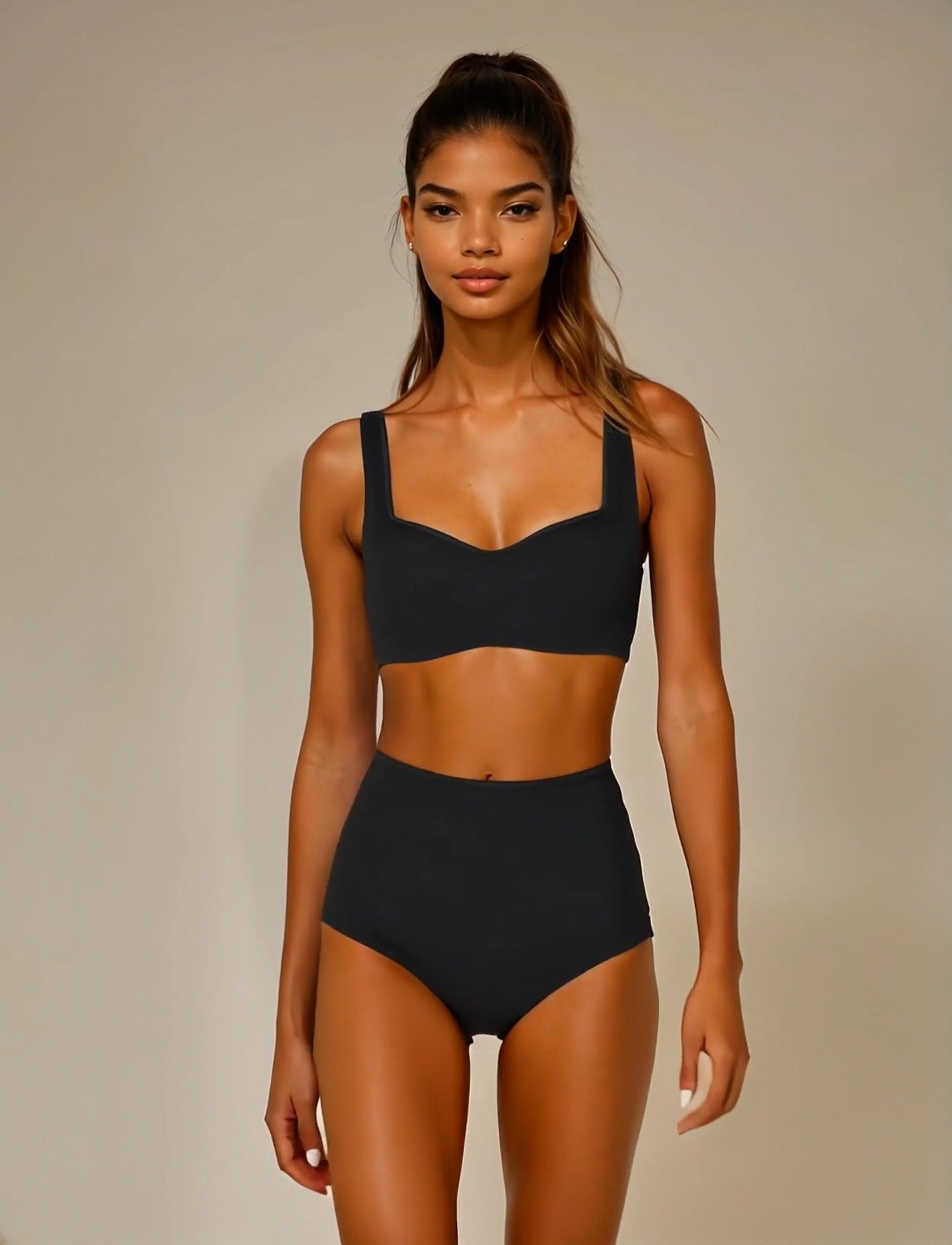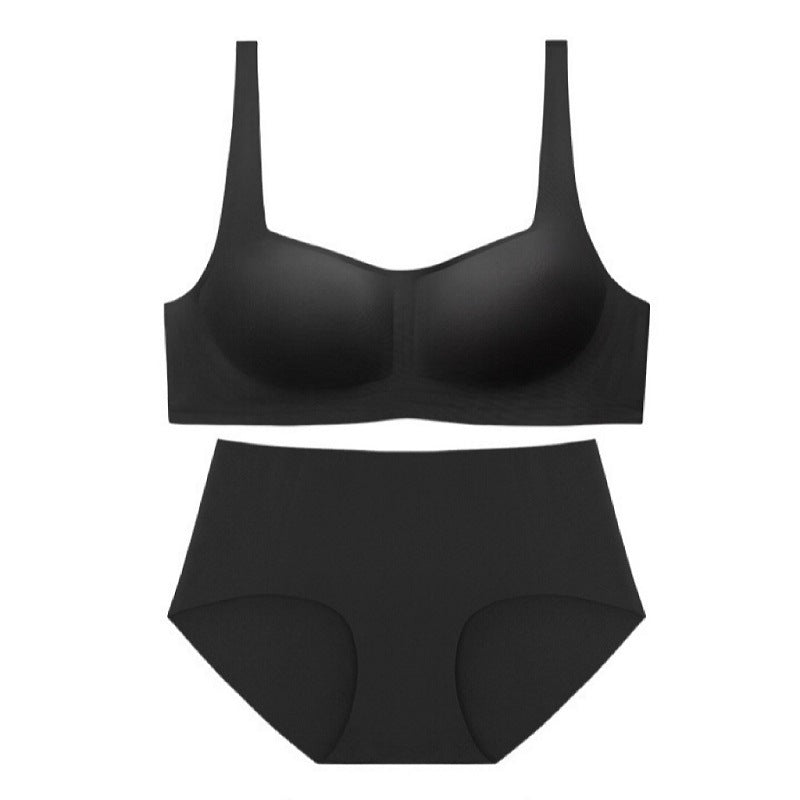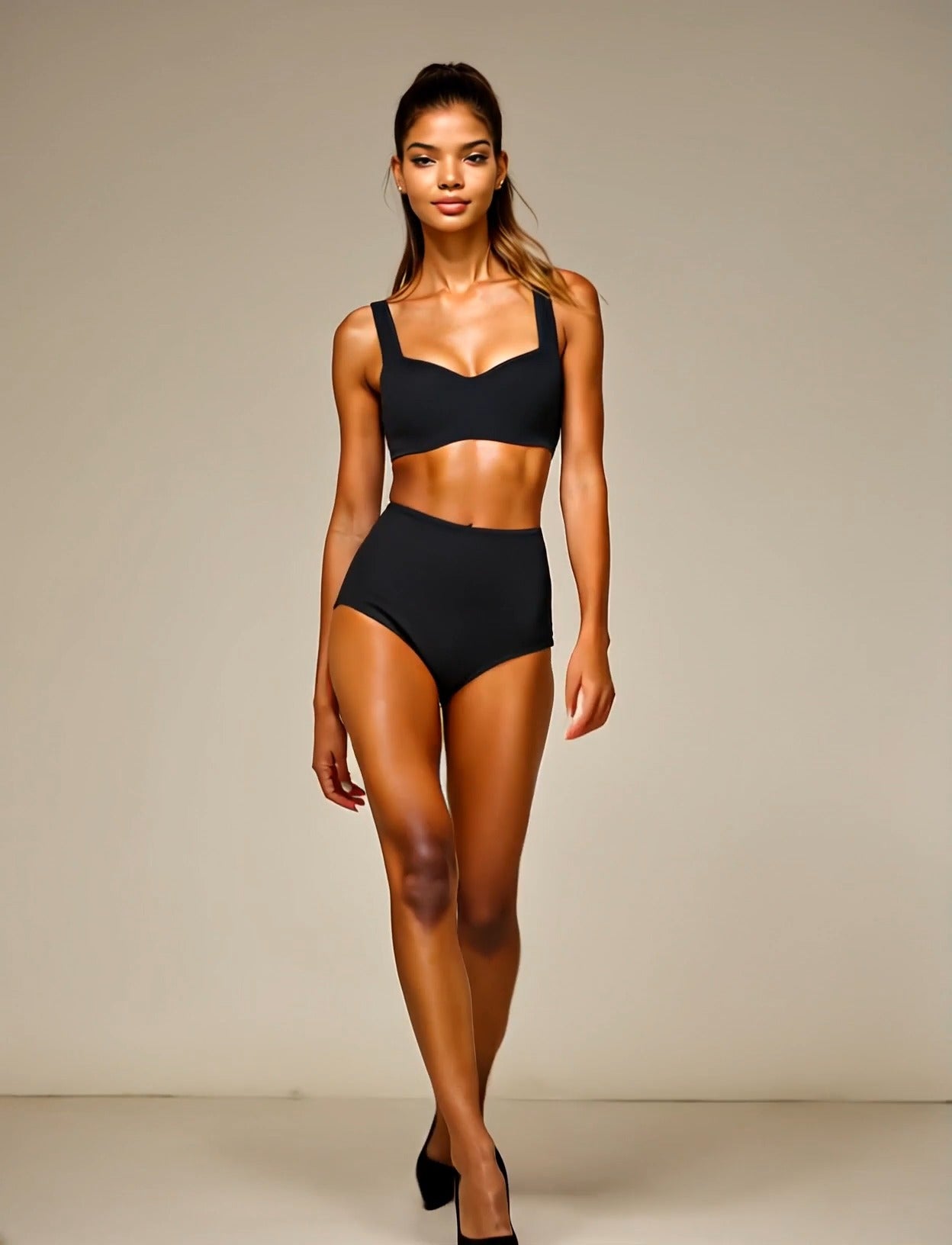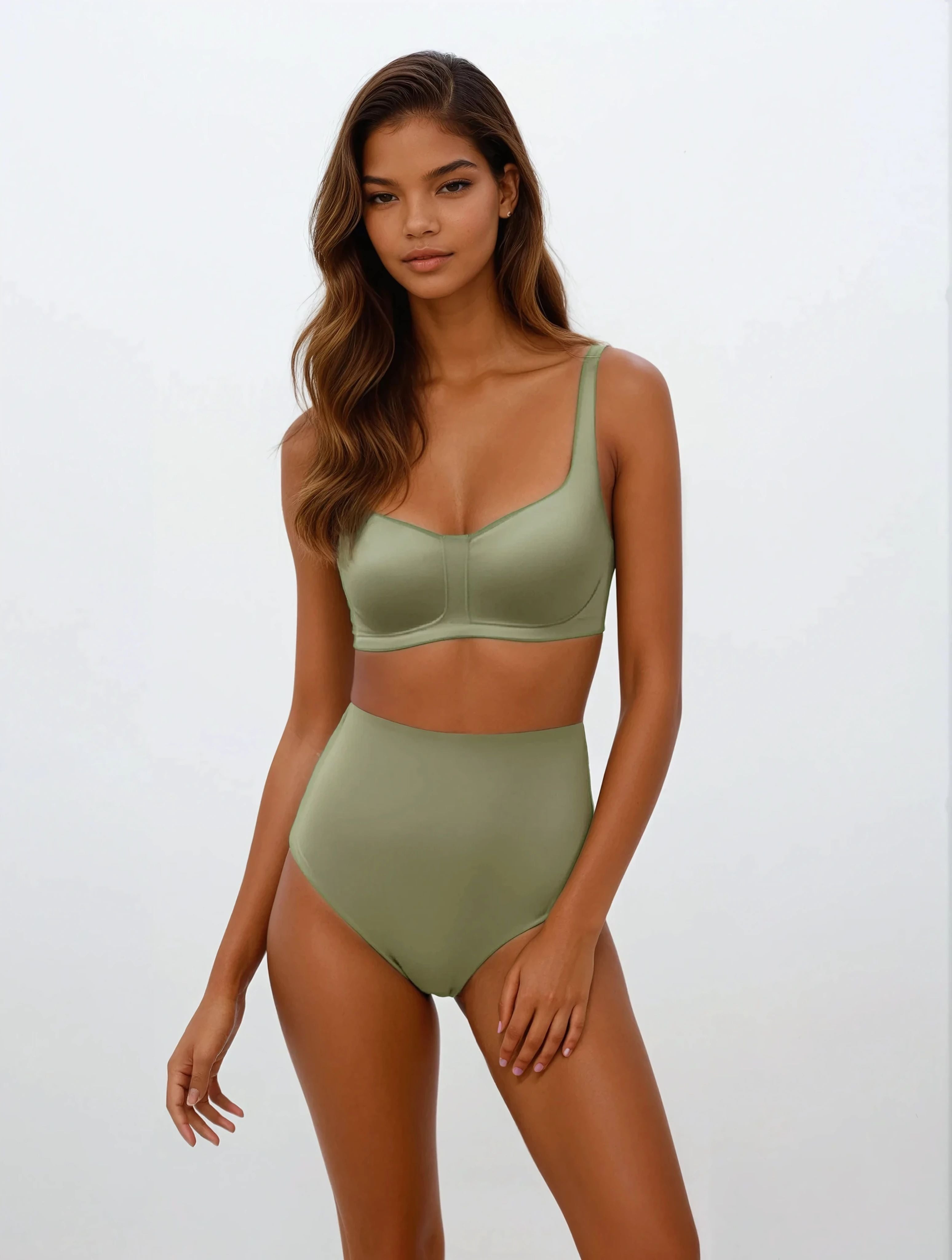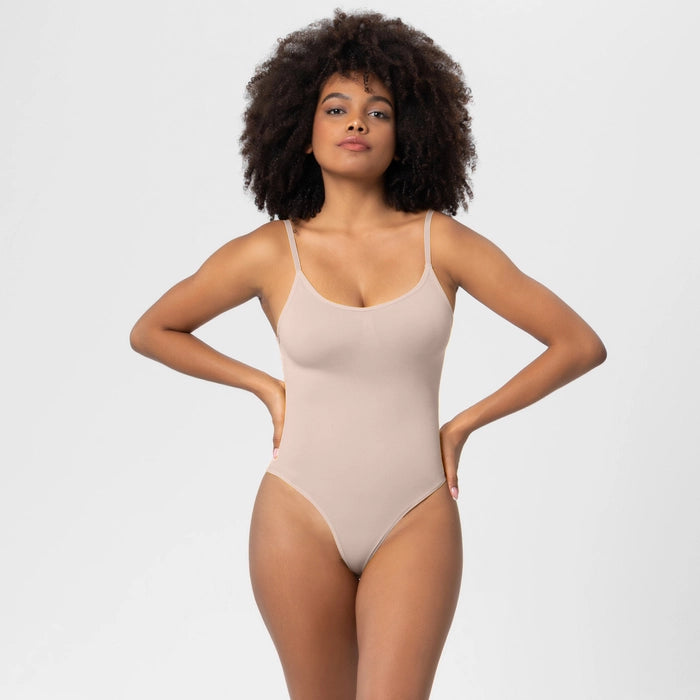

Let's start with a number that should genuinely stop you mid-scroll: 85% of women are wearing the wrong bra size.
Not a slightly off size.
The wrong one entirely, and if you've ever spent the day tugging at your straps, feeling underwire dig into your ribs, or just counting down the minutes until you can take your bra off, you're probably in that 85%.
The good news is that it is fixable, and this blog is a complete guide to doing so. Read on.
Why the Bra Sizing System Is Failing You?
Before we get into how to find your correct bra size, you need to understand why this problem exists.
Bra sizes are not standardized. They are intellectual property owned by individual brands.
That's why you can be a 34C in one brand and a 36B in another.
Both fit. Neither is wrong. The system itself is the problem.
Add to that the old "add 4 inches to your underbust" measuring method, which was designed for rigid, non-stretch fabrics from the mid-20th century. Modern bras stretch.
This method puts women in bands that are 2 to 4 sizes too large, with cups too small to compensate.
It is the single biggest source of bra size problems and is still being used by major retailers today.
The result? 70% of women wear bras that are too small, and most don't even know it.
Signs You Are Wearing the Wrong Bra Size
Your body tells you constantly. You've just been trained to ignore it.
Here are the signs that mean your bra needs a rethink:
1. Band Riding Up Your Back
This is the most common bra fitting mistake.
If the band creeps up, it's too loose. The band should sit parallel to the floor all the way around your body.
2. Straps Digging Into Your Shoulders
When the band is too loose, your straps take over all the support. That's not their job.
The band should provide 80% of your bra's support. Straps only handle 20%.
3. Breast Spillage Over the Top or Sides
Often called "quad boob," this is a clear sign your cup is too small.
No amount of adjusting your straps will fix this.
4. Underwire Poking or Digging
Underwire should lie flat on your ribcage, not on breast tissue.
If it pokes or digs, your cup is too small, or the wire width is wrong for your shape.
5. Gaping or Wrinkling Cups
Too much fabric with no breast tissue to fill it means the cup is either too large or the wrong shape for your breast type.
6. Centre Gore Floating Away From Your Chest
It should lie flat against your sternum at all times. If it doesn't, your cup size is too small.
If you nodded along to more than two of these, keep reading.
Why Your Bra Size Keeps Changing?
Here's something most bra size guides for women leave out: your breast size is not static.
Breast volume changes by an average of 76ml across a single menstrual cycle, which is roughly the volume of a third of a measuring cup, just from hormonal shifts within one month.
Over your lifetime, your cup size can change up to six times, driven by
weight fluctuations, pregnancy, breastfeeding, menopause, and hormonal contraception.
Yet most women stick with the first size that fits and never remeasure.
Experts recommend reassessing your fit every six months and always after any significant body change.
How to Measure Your Bra Size Correctly?
Ditch the "add 4 inches" method entirely. Here is the right way to measure bra size at home:
Step 1:
Find your band size: Measure snugly around your ribcage, directly under your bust. Exhale fully and measure at your smallest. Round to the nearest even number. That is your band size.
Step 2:
Find your bust measurement: Measure around the fullest part of your chest, keeping the tape parallel to the ground.
Step 3:
Calculate your cup size: Subtract your band measurement from your bust measurement. Each inch of difference equals one cup size:
-
1 inch = A
-
2 inches = B
-
3 inches = C
-
4 inches = D
-
5 inches = DD/E
-
6 inches = DDD/F
Step 4:
Use sister sizing. This is where a bra size calculator becomes useful. If a bra fits in the cup but the band feels too tight, go up one band size and down one cup size. A 32D and a 34C have the same cup volume with different band sizes. This is called sister sizing, and almost no one explains it at the store.
Once you have your measurements, use the Mhyth size guide below to find your fit:

Bra Fitting Mistakes Women Make Most Often
Getting the numbers right is only half the battle.
The other half is knowing how a bra should actually feel on your body:
-
Hooking on the tightest clasp from day one. A new bra should always hook on the loosest set of hooks. As the fabric stretches over time, you move to the tighter ones.
-
Using straps to do all the work. Tightening straps to compensate for a loose band leads to shoulder pain, neck pain, and eventually permanent indentations.
-
Assuming the same size fits across brands. Since sizing is brand-specific, always try before you buy, or look for brands with detailed fit guides.
-
Accepting pain as normal. The majority of women report back, shoulder, or neck pain from their bras and consider it inevitable. It is not. A well-fitting bra for daily wear should feel like a second skin, not a countdown.
The Right Bra for Your Body Type
The correct bra is not a single style. It is the one built for your specific shape.
Bra for Heavy Bust
Prioritize wide-set underwire and full-cup designs with firm, wide bands.
The band does the heavy lifting here.
Avoid styles with thin or stretchy bands, which push all the weight onto your shoulders.
Bra for Small Bust
Lightly padded or contour cups create shape without overwhelming your frame.
Look for styles with a narrower gore and closer-set straps so the bra actually sits where it should.
Bra for Sagging Breasts
Full-cup or balconette styles with strong underwire support help lift and reposition breast tissue correctly.
The underwire should scoop all breast tissue forward and up, not flatten it.
Bra for Wide Set Breasts
Plunge styles with a lower centre gore sit more comfortably and do not push breasts further apart.
Avoid styles with a high, wide gore as they will sit on breast tissue rather than between the breasts.
Finding a comfortable bra for daily wear means matching the construction to your body, not just chasing a size label.
Mhyth Bras: Built for Real Bodies
Most bra brands design for a narrow size range and expect you to adapt.
Mhyth bras for women take a different approach.
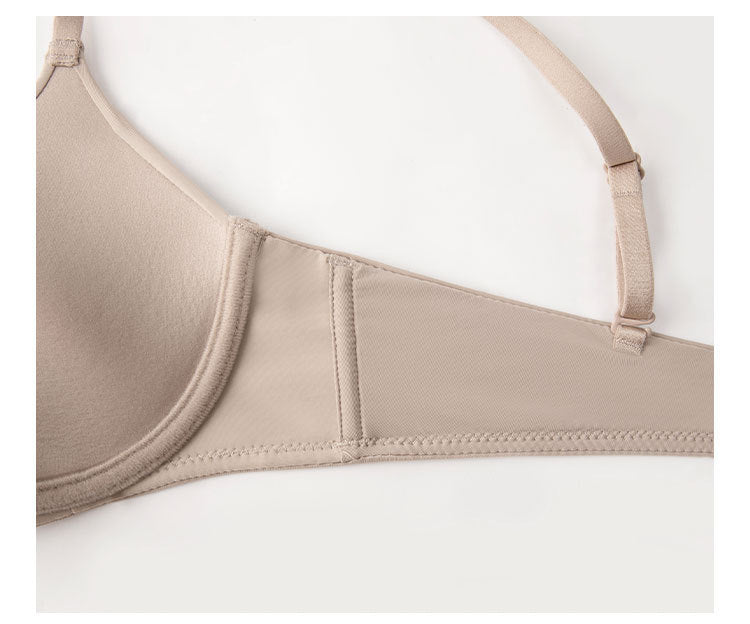
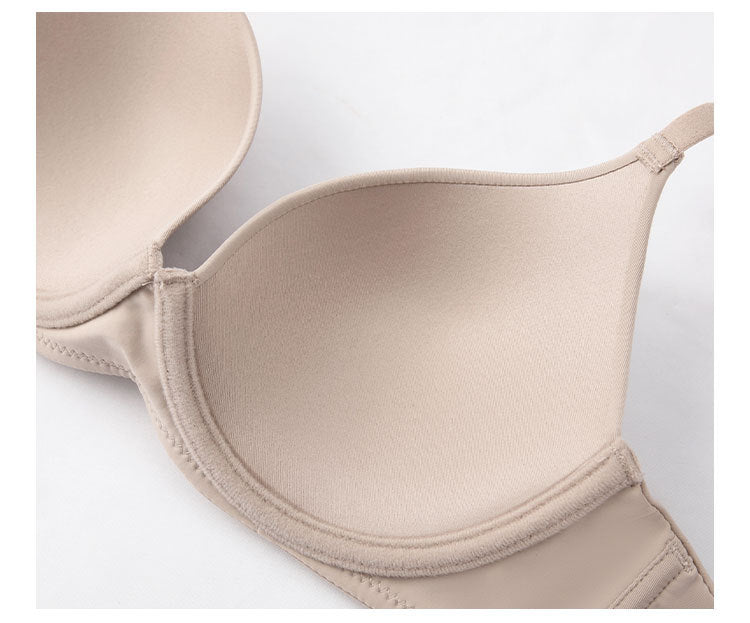
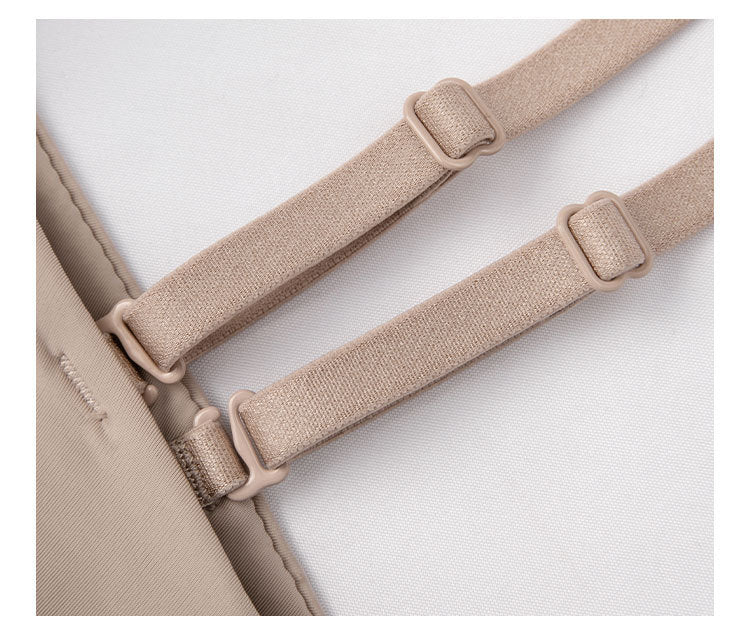
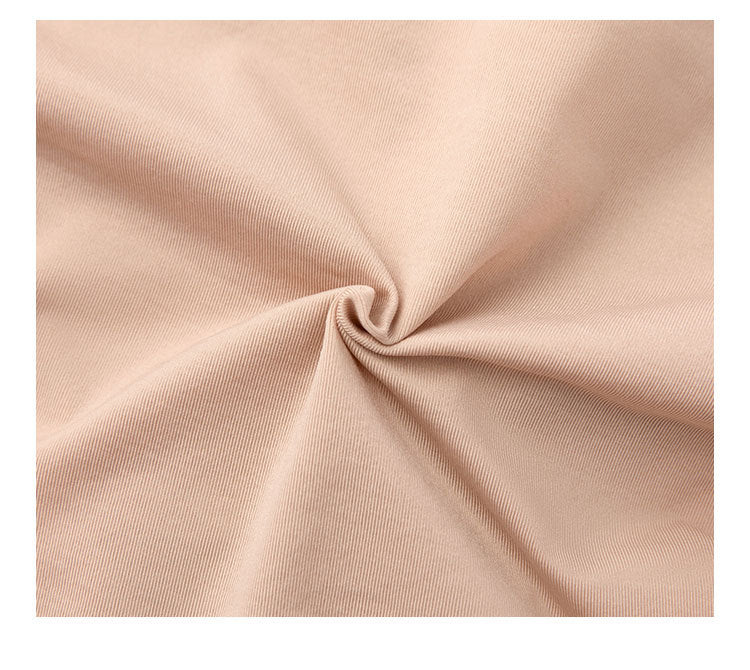
Premium bras by Mhyth are built for real body diversity and the Indian woman's specific needs, combining precise fit engineering with fabrics that feel good across a full day.
When size and construction work together, you stop noticing you're wearing a bra at all.
That is the standard Mhyth is built around.
Browse the entire collection of premium bras for women at Mhyth!
Frequently Asked Questions
1. How do I know if I'm wearing the wrong bra size?
The most common signs are a band that rides up your back, straps digging into your shoulders, underwire poking your ribs, and breast tissue spilling over the cup.
If you feel relief the moment you take it off, that is a strong signal the fit was off all along.
2. What happens if I wear the wrong bra size?
A poorly fitting bra can cause back, shoulder, and neck pain over time.
It can also accelerate sagging by failing to properly support the Cooper's ligaments, and may cause skin chafing, irritation, or inflammation, especially under the band and underwire, where fabric consistently rubs skin.
3. Does bra size change over time?
Yes, and more often than most women realise. Your cup size can change up to six times in your lifetime due to weight changes, hormonal shifts, pregnancy, breastfeeding, and menopause.
Breast volume also fluctuates month to month during your menstrual cycle. Remeasure every six months and after any major body change.
4. How should a bra fit properly?
The band should sit flat and parallel to the floor with no riding up. Cups should fully contain breast tissue with no spillage or gaps.
The underwire should rest flat on your ribcage, not on breast tissue. Straps should lie flat without digging, and the centre gore should sit flush against your sternum.
5. How often should I check my bra size?
Every six months is the general recommendation from fitness experts. Always remeasure after pregnancy, postpartum, significant weight change, breastfeeding, or menopause.
The best time to measure is mid-cycle, when estrogen is at its lowest, and your breasts are at their baseline volume.